Explore Hub: Safe Betting Strategy
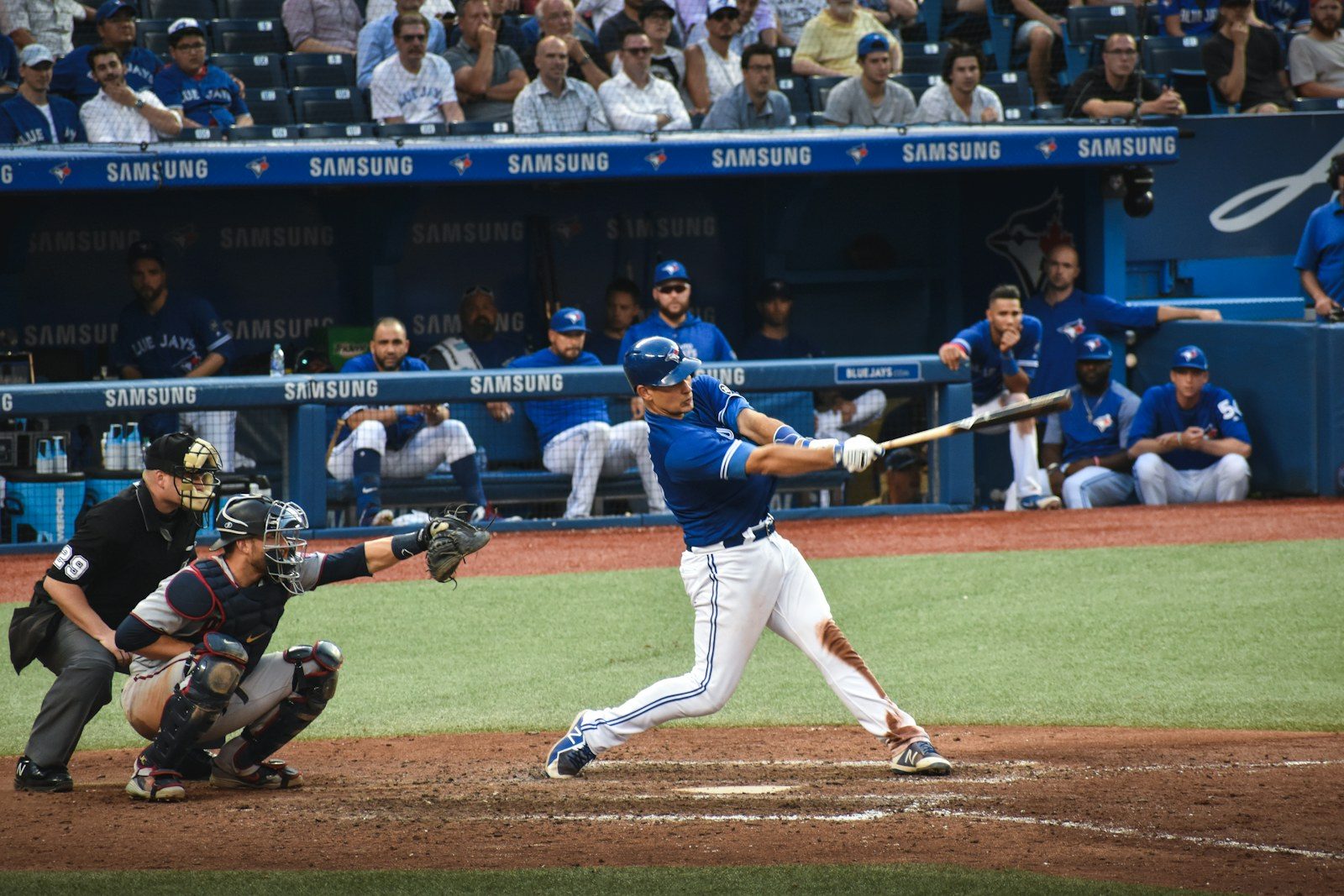
Umpire strike zone before MLB totals is a useful matchday filter, but it is a bad standalone bet reason. A wide zone can support pitchers, a tight zone can add traffic, and neither note matters much if the probable starters, lineup handedness, bullpen state, and weather are pointing the other way.
BetSigy treats the umpire assignment as a final decision layer. The goal is to decide whether to act now, reduce stake, wait for lineups, choose first-five instead of full game, or skip the total completely.
Start with the game script
Before looking at the plate umpire, write down the basic run environment. Are the starters strike throwers or traffic pitchers? Do both lineups make contact, chase, or walk? Is the park sensitive to weather? If that base script is unclear, an umpire note can make you feel informed without improving the decision.
The strongest use case appears when the umpire tendency reinforces a setup you already understand. For example, a pitcher who works edges with a catcher who receives well may benefit more from a generous zone than a wild pitcher who cannot reach the edges consistently.
Separate first-five from full-game totals
The strike zone affects starters and early plate appearances most directly, so first-five totals often deserve the first look. A full-game total adds bullpen quality, manager usage, pinch-hit decisions, and late defensive substitutions. That extra noise can dilute the umpire angle.
If the zone note supports the starting-pitcher read but the bullpens are tired or volatile, the first-five market may be cleaner. If both bullpens are strong and the lineups are thin, the full-game under may still be fine. The point is to choose the market that matches the information.
Watch for overreaction
Public bettors can overrate umpire data because it feels specific. A total that has already moved hard before lineups may leave little room for the edge. If the number has shifted beyond your fair range, the correct matchday decision is often to wait for live entry or pass.
A tight-zone umpire does not automatically mean an over if both lineups are missing on-base pieces. A pitcher-friendly zone does not automatically mean an under if both starters allow hard contact in the air. Umpire context should sharpen a decision, not replace it.
A matchday checklist
Use the umpire note only after the main moving pieces are confirmed. The cleanest BetSigy workflow is starter confirmation, lineup check, weather and roof check, bullpen state, umpire context, then market selection. If one of those layers is missing, reduce confidence.
The best outcome is not always a bet. Sometimes the zone supports your lean but the price is gone. Sometimes the price is good but the lineups weaken the run path. A professional matchday process knows when the right move is no-bet.
- Confirm probable starters before applying the umpire filter.
- Check lineup handedness, chase rate profile, and key rest days.
- Decide first-five versus full-game before placing the wager.
- Pass if the total already moved past the edge created by the assignment.
When to wait for live entry
A useful umpire note can still be better used live than pregame. If the total has moved too far before lineups, wait to see whether the first inning confirms the expected zone. A wide zone that produces early called strikes, weak counts, and low-quality contact can support a live under at a better number. A tight zone that creates walks but not hard contact may still be noise rather than a true over signal.
Live entry also protects you from stale assumptions. If the starter cannot command the zone, the umpire tendency is less helpful. If hitters adjust by becoming more aggressive early in counts, the original pregame read may weaken. BetSigy users should treat the first few plate appearances as confirmation, not as entertainment.
No-bet is part of the filter
The best matchday filters reduce bad action. If the zone, lineup and weather do not point in the same direction, the correct answer may be no bet. That is still a successful use of the umpire assignment because it kept a weak total off the card. The filter is valuable when it improves selectivity, not when it gives every game a new reason to force action.
Continue this cluster
The MLB matchday execution cluster keeps starter, lineup, bullpen, weather, and timing decisions in one practical workflow.