Explore Hub: Safe Betting Strategy
Umpire zone drift before first-five MLB totals is an evergreen checklist, not a news reaction. The primary keyword is umpire zone drift before first-five mlb totals, and the intent is to decide whether the route still carries clean value before a bettor, trader or protocol user acts.
BetSigy uses visible strike-zone drift as a live execution filter, not as a pregame stereotype, because the actual zone can change first-five total quality quickly. The best version of the checklist ends with one of four outcomes: proceed, reduce size, wait for confirmation or pass.
Use Visible Calls, Not Reputation Alone
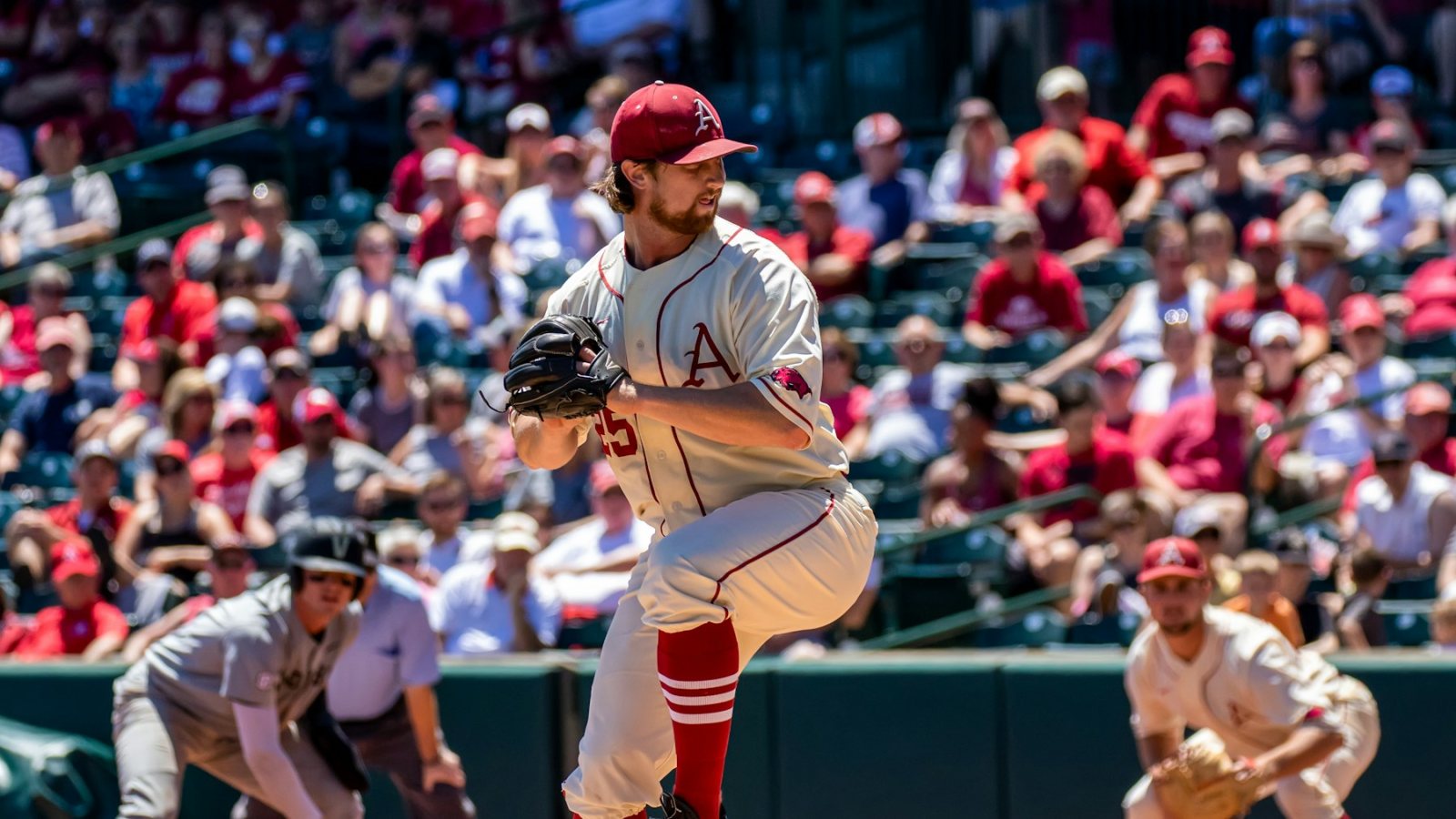
Umpire zone drift before first-five MLB totals should begin with the live zone being called today. Pregame umpire tendencies can frame the watchlist, but the actionable signal is what the pitcher, catcher and hitter are getting in the first inning.
A wide low strike can support early under logic if both pitchers can reach it. A tight edge can pressure pitch count and create better over or wait conditions.
Check Whether Both Starters Benefit
A bigger zone does not help every pitcher equally. A command arm that lives at the edge can gain value, while a wild power arm may still miss too far to receive calls.
For first-five totals, the zone matters most when both starters can use it. If only one pitcher benefits, a side or team-total read may be cleaner than a full first-five total.
Watch Catcher Receiving
Zone drift is partly a catcher signal. Quiet receiving can turn borderline pitches into strikes, while late targets and stabbing gloves can shrink the practical zone.
If the catcher is losing borderline calls, do not force an under because the theoretical zone looks wide. Execution depends on how the battery presents the pitch today.
Pair Zone With Contact Quality
A generous zone can reduce walks while still allowing hard contact. Before betting a first-five under, check whether strikes are weak contact strikes or hittable mistakes.
If hitters are expanding because the zone is wide, under logic improves. If hitters are barreling early-count strikes, the zone is not enough by itself.
Know When To Wait
The first few borderline calls can mislead. Wait for repeat evidence across both halves of an inning before changing the total read.
The best execution is patient. If the zone, command and contact quality all align, the first-five total can become playable. If they disagree, no-bet mode protects the bankroll from a noisy signal.
- Base the read on live calls, not umpire reputation alone.
- Check whether both starters can actually use the called zone.
- Pair strike-zone drift with catcher receiving and contact quality.
- Wait when early calls do not repeat across both pitchers.
Decision workflow
Umpire zone drift before first-five MLB totals should end in a practical workflow rather than a loose opinion. Start with the confirmed source, then map the rule, price, route, lineup state or protocol assumption that controls the decision. If the controlling input is missing, the checklist has not earned an action yet.
Proceed only when the confirmed inputs still support the original thesis. Reduce when the idea survives but one execution input is weaker. Wait when the edge depends on a screen, lineup, funding print or protocol detail that has not settled. Pass when the risk cannot be priced cleanly.
Common false positives
The most common false positive is treating a visible headline as complete value. A better payout, a listed starter, a new market or a protocol launch can be real and still fail to improve the exact route being used.
The second false positive is relying on an old read after the screen changes. Prices move, lineups confirm, funding intervals compress and protocol instructions evolve. When the context changes, rerun the checklist instead of patching the old answer from memory.
Review after the outcome
After the bet, trade, claim or protocol action settles, record what the checklist saw, what it missed and whether the final decision matched the confirmed state. That review turns the topic from a one-off note into a repeatable operating habit.
A good outcome is not always a winning ticket, profitable trade or successful claim. Sometimes the best result is a skipped action that would have relied on a weak rule, stale price, thin route or unclear protocol assumption. That is still risk avoided.
Continue this cluster
Continue this cluster with MLB live-execution guides that turn public game-state signals into first-five, full-game and no-bet decisions.