Good betting content should reduce noise, not amplify it. The edge comes from price discipline, matchup context, and bankroll control working together under one routine.
Last updated: 2026-04-05
Quick Answer
BTTS is strongest when both sides create enough high-value chances and both defensive structures still allow counterattacks or box entries. One-way dominance with a passive underdog is usually a bad BTTS profile even if the favorite scores often.
BTTS Validation Checklist
- Compare both teams for recent non-penalty xG created and conceded.
- Check whether each side still has a realistic path to one goal if game state changes early.
- Avoid BTTS when one team consistently fails to create away from home.
- Downgrade the bet when injuries remove the main transition outlet or set-piece threat.
Decision Matrix
| Checkpoint | Why It Matters |
|---|---|
| Chance symmetry | Both teams need credible scoring routes, not just one dominant attack. |
| Defensive leaks | Openings on both sides increase the market’s true BTTS ceiling. |
| Game-state resilience | The weaker side must still have scoring paths when trailing. |
| Lineup integrity | Losing one key finisher can break the whole BTTS thesis. |
Execution Framework
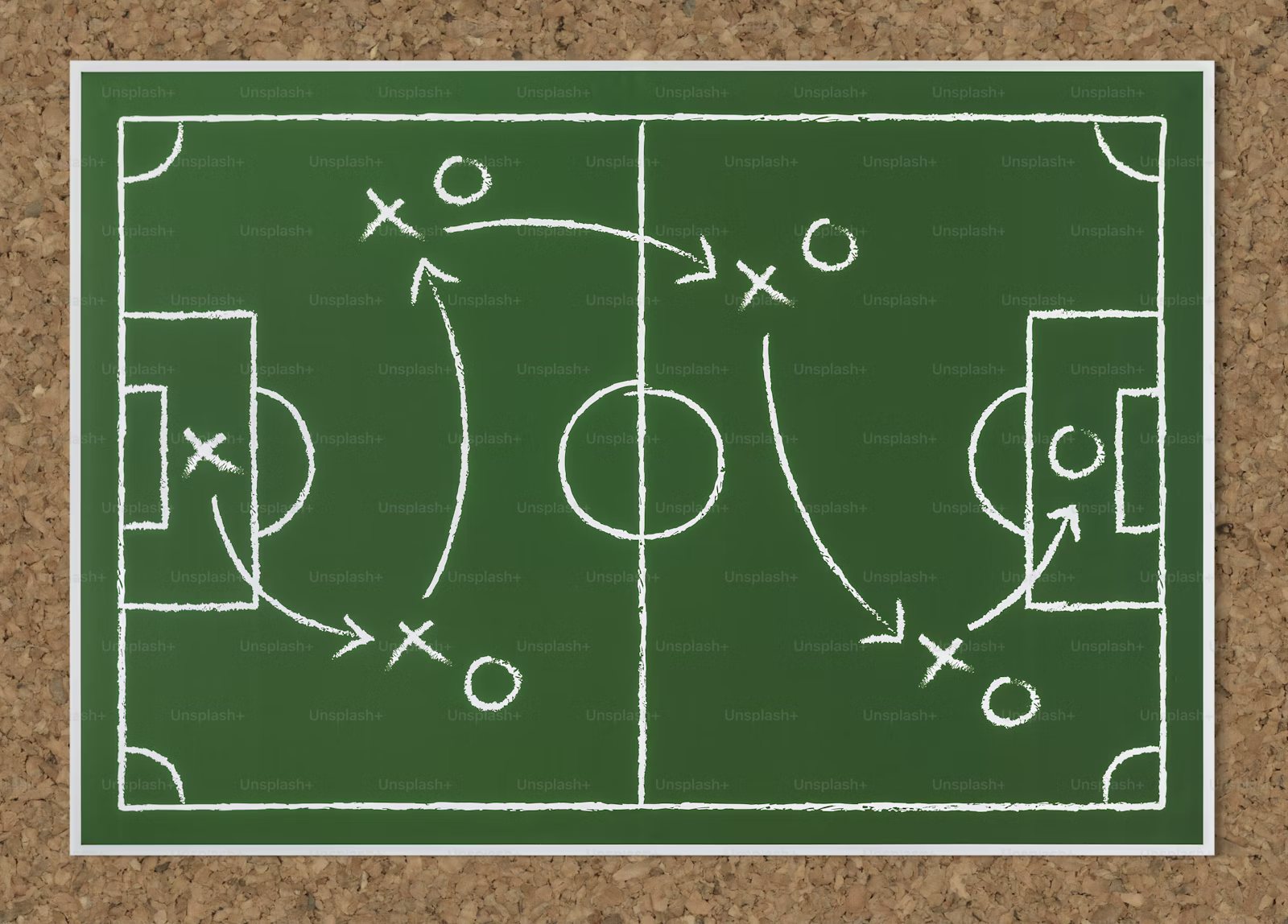
Treat BTTS as a matchup problem, not a scoreboard trend. You need enough mutual threat to justify both goals without relying on low-probability chaos.
Matchup Review Routine
- Start with how each team creates its best chances: transition, set plays, crossing, or central combinations.
- Check whether the opponent allows those routes often enough to matter.
- Model how the game changes if the favorite scores first and whether the other side still has a path back into the market.
- Use price discipline when public BTTS demand is inflated by simple “recent scoring” headlines.
- After the match, review whether the chance profile fit the thesis even if one team failed to convert.
Stake Calibration and Variance Control
Stake sizing should follow the strength of the edge and the quality of the price, not the excitement of the fixture. If multiple selections depend on the same tactical story, reduce total exposure because correlated bets can create bigger drawdowns than the ticket count suggests. A disciplined staking ladder keeps short losing runs from damaging long-term compounding.
Hub to Cluster to Deep Navigation Strategy
Use the hub as the intent entry point, this article as the cluster layer, and adjacent guides as the deep layer. That structure helps readers compare similar methods without topical drift, keeps internal links tightly relevant, and strengthens SEO around one market family instead of scattering authority across unrelated pages.
Common Errors to Avoid
- Backing BTTS because both teams scored last week.
- Ignoring away-team attacking weakness.
- Treating one set-piece spike as stable scoring form.
- Forgetting how an early red card changes the scoring path.
Practical Example
If both teams create strong transition chances and both full-backs leave space behind them, BTTS often has a real tactical foundation. If only one team attacks while the other survives on clearances, the market may be overestimating balance.
Related Reading
Continue this cluster: go deeper with closely related guides from the same hub.
- Explore the Team Analysis hub
- Away Team to Score Tips Today with Shot Share and Set-Piece Pressure - Updated 2026 Guide
- Bankroll Rules for Asian Handicap: Keep Variance Under Control
FAQ
How often should I bet on BTTS tips today?
Only when the price still matches your model or checklist threshold. Skipping marginal spots is part of the edge, especially when the market has already moved.
What is the minimum data I need before entering this market?
Start with team news, recent chance quality, price movement, and a clear risk cap. If one of those inputs is missing, you are operating with incomplete context.
Can this framework improve decision quality over time?
Yes. Tracking price, edge, stake size, and post-match review turns each bet into feedback. That process matters more than any one-day result.
Conclusion
Treat this keyword as a process prompt, not as an excuse to force action. Better line shopping, better context filters, and better risk control are what make betting content genuinely useful over the long run.