Explore Hub: Safe Betting Strategy
Mlb Home Plate Umpire Consistency Check is the primary keyword for this evergreen guide. An MLB home plate umpire consistency check helps bettors adjust run-total expectations based on the plate umpire's historical strike-zone tendencies, because a wide zone suppresses runs and a narrow zone inflates them in ways the posted total may not fully reflect. The goal is to make the decision repeatable before the market is moving quickly, not to chase a single headline or one-off result.
For betsigy, the useful version of this topic is practical and intent-clean. The guide keeps one job in view: define the check, explain why it changes risk, then turn it into a small decision rule that can be used again.
Why Umpire Strike Zones Move Run Totals by Meaningful Amounts
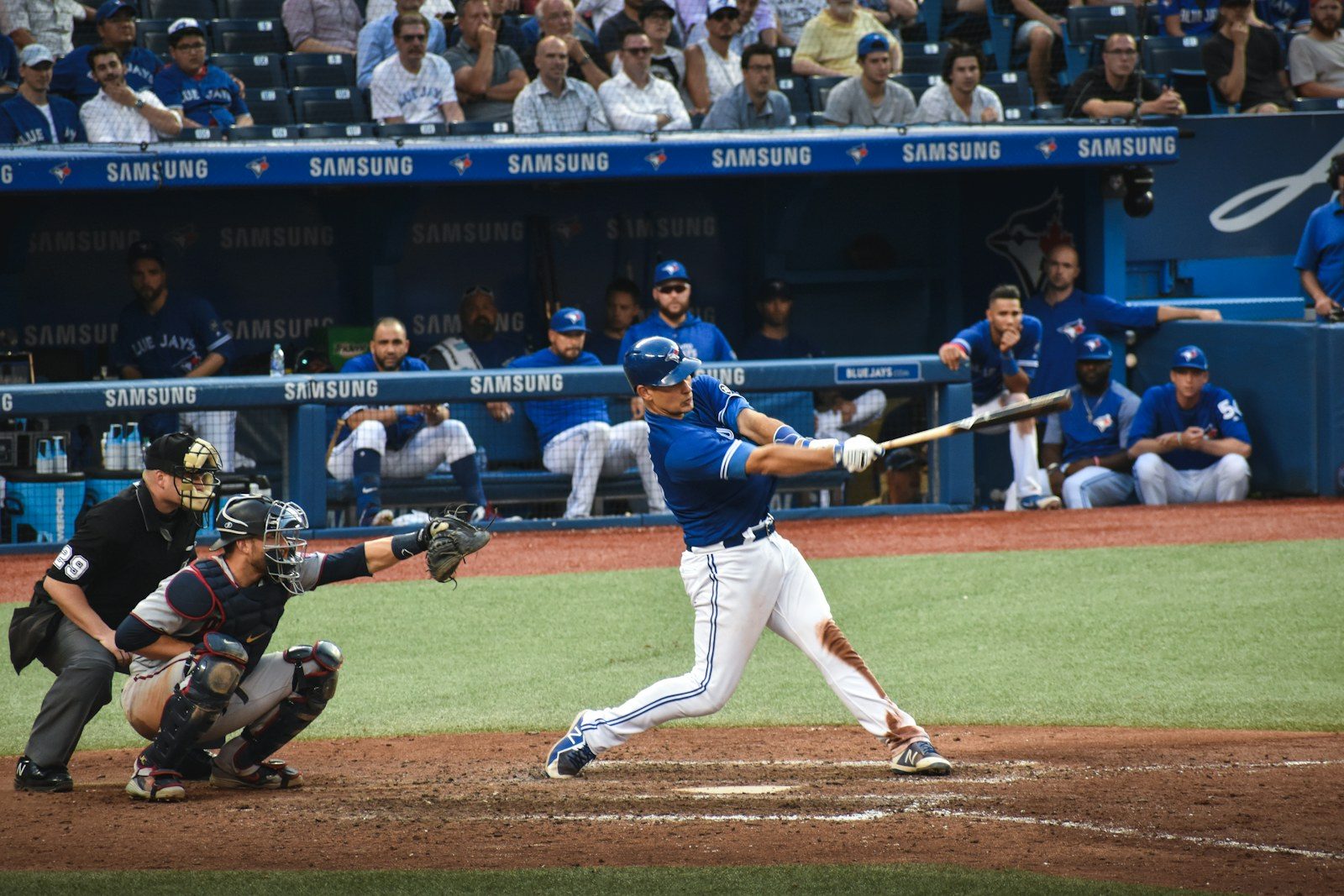
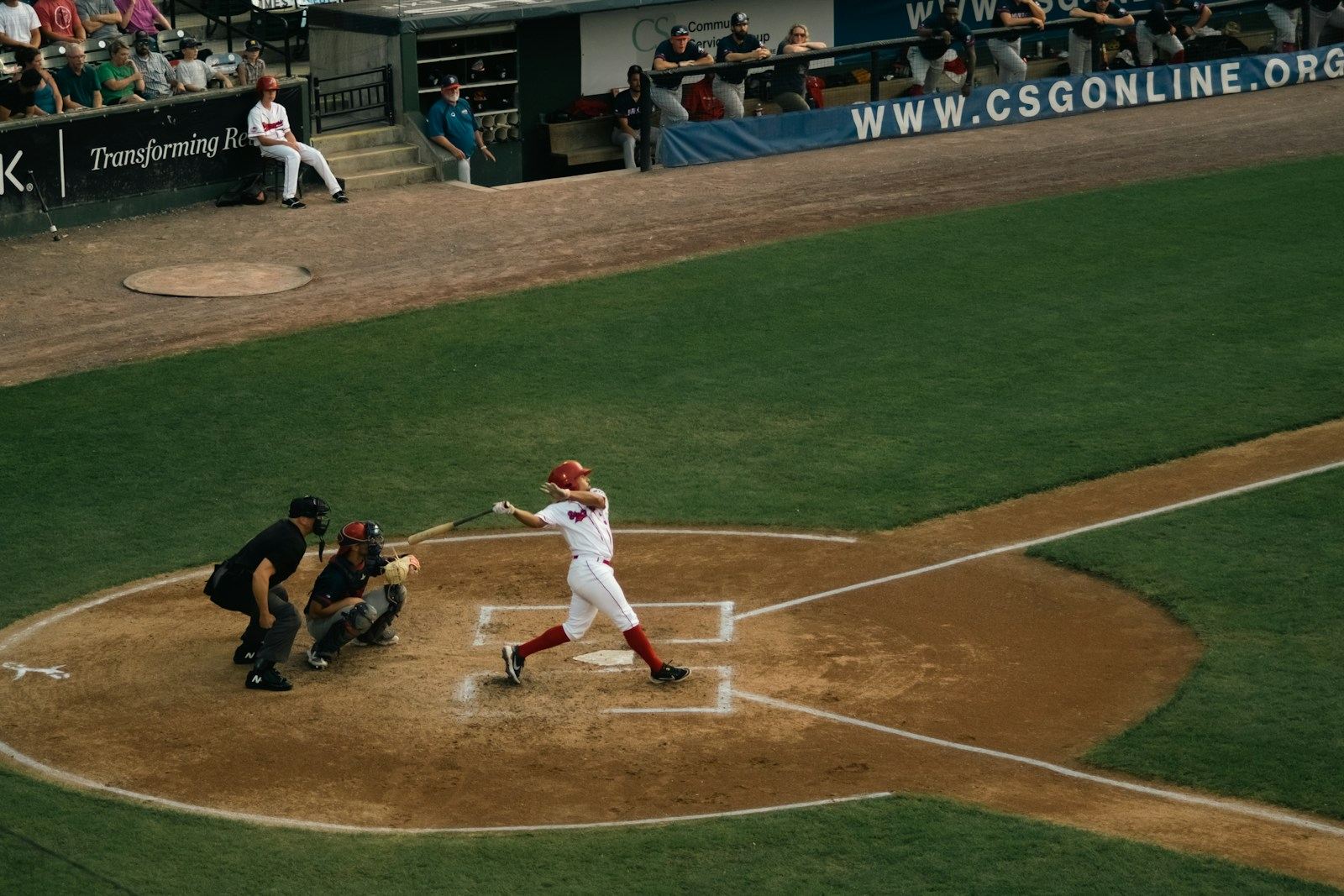
An umpire with a consistently wide strike zone adds called strikes that would be balls with an average umpire, which benefits pitchers, extends at-bats in the pitcher's favour and reduces walks. The effect compounds across nine innings: a wide-zone umpire can suppress total runs by 0.5 to 1.0 runs relative to expectation, which is enough to flip the value on a total bet lined at 8.5 or 9.0 runs.
The mistake is treating this signal as a yes-or-no shortcut. It should change the size of the decision, the route used, or the timing of the entry only after the surrounding conditions agree. When the surrounding checks disagree, the cleaner answer is often to wait.
How to Check an Umpire's Zone Before Betting Totals
The checklist should check the assigned plate umpire's called-strike rate above expected, consistency score and run-environment impact from publicly available umpire tracking data for the current season. An umpire in the top 10 percent for called strikes above expected should shift the bettor's total expectation downward by at least 0.5 runs before comparing to the posted total.
The mistake is treating this signal as a yes-or-no shortcut. It should change the size of the decision, the route used, or the timing of the entry only after the surrounding conditions agree. When the surrounding checks disagree, the cleaner answer is often to wait.
Combining Umpire Zone Data With Pitcher and Weather Profiles
A wide-zone umpire paired with two command pitchers and cool weather creates maximum run suppression. A narrow-zone umpire paired with two wild pitchers and warm, humid weather creates maximum run inflation. The bettor should layer the umpire data on top of the pitcher and weather profiles rather than using any single factor as a standalone bet trigger.
The mistake is treating this signal as a yes-or-no shortcut. It should change the size of the decision, the route used, or the timing of the entry only after the surrounding conditions agree. When the surrounding checks disagree, the cleaner answer is often to wait.
Build the repeatable checklist
A good checklist starts with observable evidence, then moves to execution. First confirm the source of the change. Then compare the old assumption with the new one. Finally decide whether the trade, bet or protocol action still has enough room after fees, slippage, settlement rules and timing risk.
The checklist should also include an invalidation rule. If the key condition changes again, the original read should be closed or downgraded rather than defended. Evergreen work is useful only when it helps users say no faster.
Score the decision before acting
Use a small scoring model before the final action. Give one point for a clean source, one for a matching market or protocol condition, one for acceptable execution cost, one for a clear exit path, and one for timing that still leaves room to react. A weak score does not mean the idea is wrong; it means the idea is not ready.
The score should be conservative when conditions are moving. Late scratches, fast funding changes, exchange parameter updates, governance edits and thin order books all reduce the value of a perfect-looking setup. A repeatable process protects the user from turning every new detail into an urgent action.
Common failure points
The most common failure is overfitting the last example. A rule that worked once can fail when liquidity is thinner, market depth is slower, a venue changes parameters, or the final confirmation arrives too late. Keep the checklist broad enough to survive different contexts.
Another failure is ignoring operational friction. Delays, limits, unavailable routes, unsupported assets and stale dashboards can all turn a correct read into poor execution. The final decision should include those frictions before any stake or position is committed.
A final failure is mixing intent. A comparison guide should not become a prediction, an execution checklist should not become a price-shopping article, and a protocol due-diligence page should not become token hype. Keeping the intent narrow makes the page more useful over time.
Continue this cluster
Continue this cluster with related MLB home plate umpire consistency check workflows that focus on confirmation, execution quality and risk control.