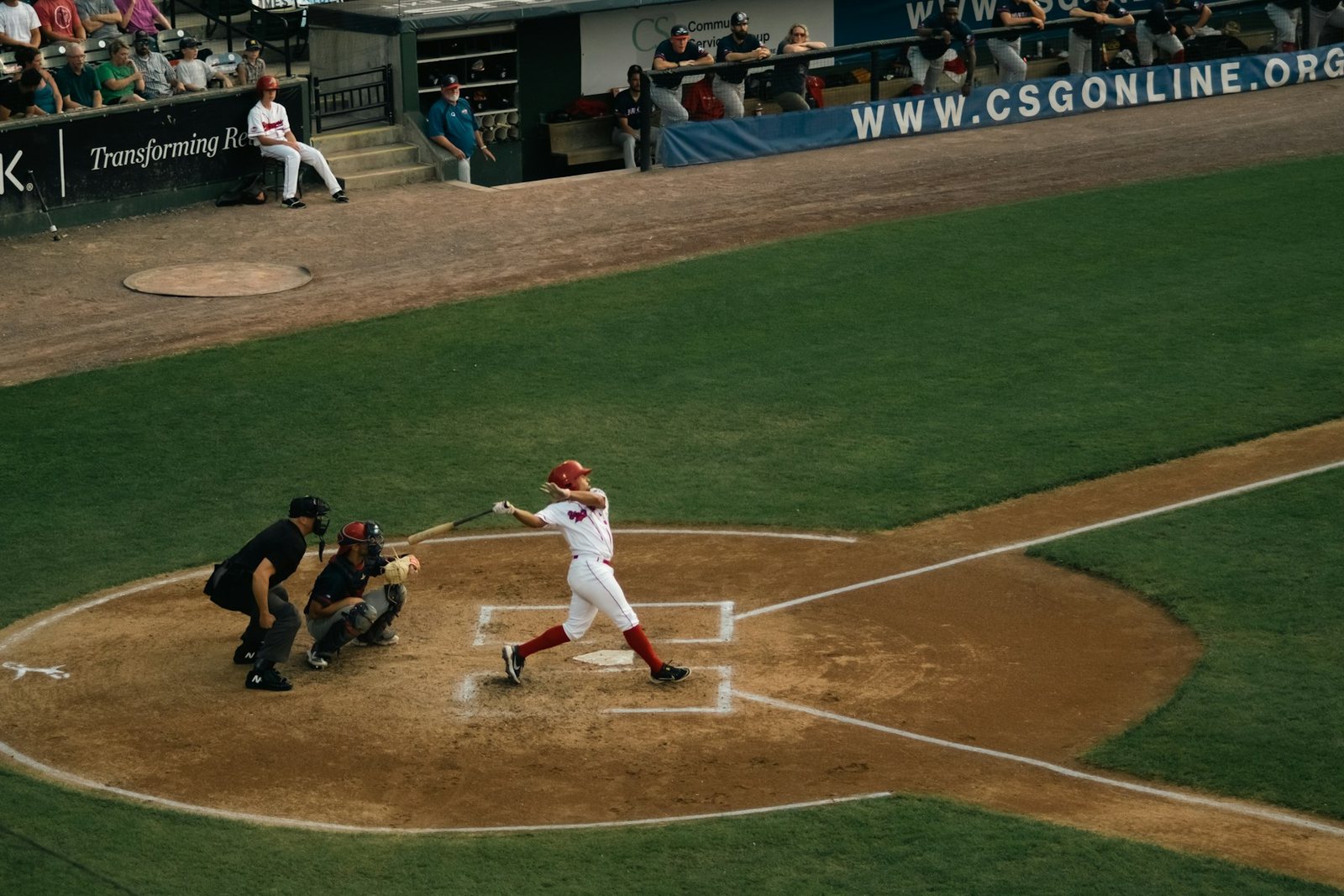
Mlb pinch hitter platoon checklist answers one narrow evergreen question: confirm the available bench, pitcher handedness, score state, and announced pinch hitter before entering late-inning hitter props or team-total markets. The goal is a repeatable decision rule, not a prediction, promotion, or broad market recap.
Owner fit: BetSigy links pinch-hitter deployment to updated late-inning run-environment and prop execution.
Define the decision first
Write the specific action that MLB pinch hitter platoon checklist is allowed to change. Name the exact market, account type, contract, dapp, route, or lineup state. Set the maximum exposure in advance, and define the condition that forces a deliberate pass. Without a named action and a pre-written pass condition, the comparison or checklist becomes a narrative exercise rather than a repeatable operating control.
The decision should be narrow enough that a single checklist can answer it. If the answer requires two different rulebooks, two different market types, or two different account structures, split the decision into two separate guides. Each guide must answer exactly one question with exactly one set of first-party sources.
Read the mechanism before the headline number
Pinch-hitter usage depends on platoon matchups, score, inning, pitcher change, and remaining bench depth. The announced pinch hitter changes the projected run environment for the remainder of the inning and any subsequent plate appearances.
Interface labels, marketing descriptions, and summary tables often simplify the actual execution flow. The official rulebook, API documentation, contract source, or league operations manual defines what actually happens when the decision is executed. The difference between the simplified label and the real mechanism is where comparison value lives.
Failure modes that create false confidence
Assuming a pinch hitter automatically improves the lineup ignores whether the replacement is a genuine platoon upgrade, whether the removed player was due to hit again, and whether the opposing manager will counter with a reliever change.
The most common failure is treating the visible metric as the complete picture. A second failure is executing the comparison or checklist after the decision is already live, which turns verification into rationalisation. A third failure is filling unknown fields with assumptions because the worksheet demands an answer. An empty field that is labelled unknown is better protection than a filled field with unverified data.
Worked decision example
A left-handed pinch hitter is announced against a right-handed reliever in the seventh inning of a one-run game. The checklist confirms the platoon splits, remaining bench, and the opponent's available left-handed relievers before entering a team-total or hitter-prop market.
The example is useful because it forces the user to choose before the outcome is known. If the evidence is incomplete at decision time, the disciplined answer is to wait. A worked example should name a specific market, a specific state, and a specific action, not a general category of situations.
When the correct answer is to wait
pass when the opposing manager still holds a counter-move or the pinch hitter's platoon advantage is small relative to the price
Waiting is a legitimate operating decision. It preserves capital, keeps the decision framework intact, and avoids converting an unknown into a false choice. The pass condition should be written before the opportunity appears so that urgency does not override the checklist.
Verification sheet
Use the following checklist from first-party sources, not from memory or a screenshot. Fill every field before committing exposure. If a field cannot be filled from an official source, mark it unknown and treat the entire decision as incomplete until the source is available.
- Confirm the announced pinch hitter and the removed player.
- Check platoon splits and recent form.
- Identify remaining bench and the opponent's available relievers.
- Recalculate the inning run projection.
- Set a live trigger based on the first plate-appearance outcome.
Write each answer beside its first-party source and timestamp. An unknown field stays unknown; it should not be filled with an assumption simply to complete the worksheet. Review the completed sheet at least once before every new decision, not only when the checklist was first written.
Primary references
These are the first-party rule, technical, or protocol documents used to frame the checklist. Recheck the live version before acting because rules, APIs, and contracts change. A reference that was accurate yesterday may have been updated today, and the difference can change the outcome of the checklist.
Continue this cluster
Continue with related guides in the Live Betting cluster. Each checklist answers one narrow decision, and together they build a repeatable operating framework that covers more ground than any single guide can.