Explore Hub: Safe Betting Strategy
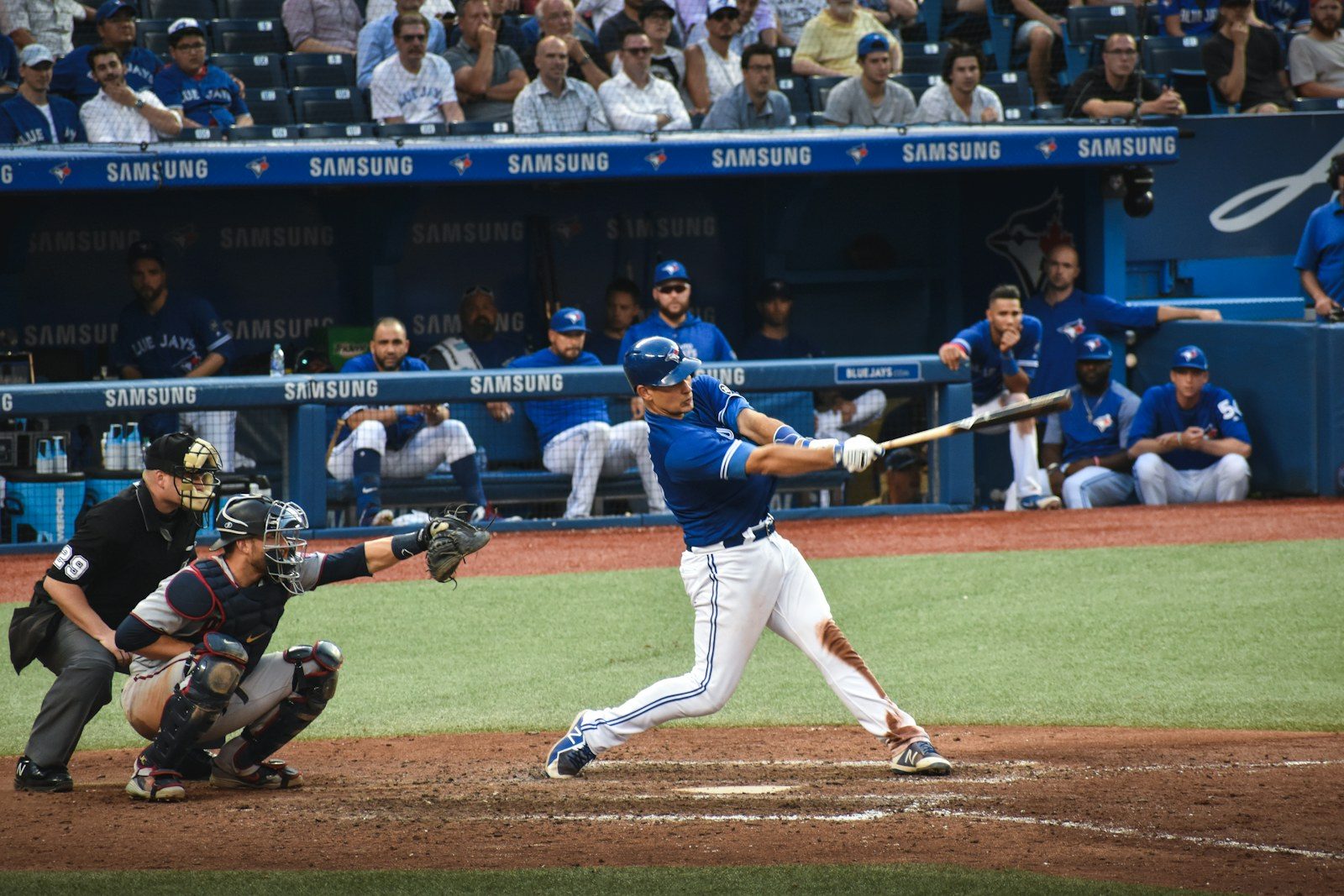
Mlb Platoon Split Confirmation is the primary keyword for this evergreen guide. An MLB platoon split confirmation checklist helps bettors verify whether a hitter's reverse-platoon or exaggerated-split stats are stable enough to use in same-handed pitcher matchups, or whether the sample is too small, park-inflated or era-specific to trust for today's execution decision. The goal is to make the decision repeatable before the market is moving quickly, not to chase a single headline or one-off result.
For betsigy, the useful version of this topic is practical and intent-clean. The guide keeps one job in view: define the check, explain why it changes risk, then turn it into a small decision rule that can be used again.
Why Platoon Splits Are Often Misread as Permanent Signals
A left-handed hitter with a 1.100 OPS against lefties over 40 plate appearances is almost certainly running above his true talent level. Platoon splits need at least 200 plate appearances against each handedness before the split stabilises, and even then, the split can be influenced by the quality of same-handed pitchers faced, ballpark effects and the hitter's own mechanical changes over time.
The mistake is treating this signal as a yes-or-no shortcut. It should change the size of the decision, the route used, or the timing of the entry only after the surrounding conditions agree. When the surrounding checks disagree, the cleaner answer is often to wait.
How to Test Platoon Split Stability Before Betting Props
The checklist should compare the hitter's current-season split, previous-season split and career split. If all three point in the same direction, the split is stable enough to use. If the current-season split is dramatically different from the career split, the bettor should regress the current number toward the career average and check whether the bet still has value after regression.
The mistake is treating this signal as a yes-or-no shortcut. It should change the size of the decision, the route used, or the timing of the entry only after the surrounding conditions agree. When the surrounding checks disagree, the cleaner answer is often to wait.
Using Platoon Confirmation in Player Prop and Team Total Bets
Once the platoon split is confirmed as stable, the bettor can apply it to strikeout props, total bases props, hits props and team-total markets. A confirmed weak split against same-handed pitching is a reason to fade a hitter prop, bet the under on strikeouts for the opposing pitcher, or reduce exposure to a team-total over that depends on that hitter producing.
The mistake is treating this signal as a yes-or-no shortcut. It should change the size of the decision, the route used, or the timing of the entry only after the surrounding conditions agree. When the surrounding checks disagree, the cleaner answer is often to wait.
Build the repeatable checklist
A good checklist starts with observable evidence, then moves to execution. First confirm the source of the change. Then compare the old assumption with the new one. Finally decide whether the trade, bet or protocol action still has enough room after fees, slippage, settlement rules and timing risk.
The checklist should also include an invalidation rule. If the key condition changes again, the original read should be closed or downgraded rather than defended. Evergreen work is useful only when it helps users say no faster.
Score the decision before acting
Use a small scoring model before the final action. Give one point for a clean source, one for a matching market or protocol condition, one for acceptable execution cost, one for a clear exit path, and one for timing that still leaves room to react. A weak score does not mean the idea is wrong; it means the idea is not ready.
The score should be conservative when conditions are moving. Late scratches, fast funding changes, exchange parameter updates, governance edits and thin order books all reduce the value of a perfect-looking setup. A repeatable process protects the user from turning every new detail into an urgent action.
Common failure points
The most common failure is overfitting the last example. A rule that worked once can fail when liquidity is thinner, market depth is slower, a venue changes parameters, or the final confirmation arrives too late. Keep the checklist broad enough to survive different contexts.
Another failure is ignoring operational friction. Delays, limits, unavailable routes, unsupported assets and stale dashboards can all turn a correct read into poor execution. The final decision should include those frictions before any stake or position is committed.
A final failure is mixing intent. A comparison guide should not become a prediction, an execution checklist should not become a price-shopping article, and a protocol due-diligence page should not become token hype. Keeping the intent narrow makes the page more useful over time.
Continue this cluster
Continue this cluster with related MLB platoon split confirmation workflows that focus on confirmation, execution quality and risk control.