Explore Hub: Safe Betting Strategy
The primary keyword for this guide is weather wind speed direction. Weather Wind Speed Direction Before MLB Totals Bets is an evergreen decision framework, not a news reaction, because the same mistake shows up whenever bettors or traders treat a surface signal as complete before checking execution details.
Weather wind speed and direction are not tiebreakers; they are primary inputs for any MLB totals bet in an outdoor stadium. A 15-mph wind blowing out to center field at Wrigley is worth more to the total than a lineup change, because it affects every at-bat for both teams.
Use the keyword as a single decision point
Use weather wind speed and direction as a mandatory check before every MLB totals bet. If the wind direction, speed, or temperature is materially different from the market's opening assumption, the total is no longer neutral.
This is especially important for same-game parlays that combine a side with a total. A strong wind direction change can make the total angle stronger while making the side angle more dependent on which pitcher benefits from the conditions.
Build the checklist before the signal appears
Before confirming any totals bet, compare the weather variables with the market's apparent expectation.
- Check wind speed and direction at the stadium from a weather source, not only the sportsbook display.
- Identify whether the wind is blowing in, out, or cross-field, and how stadium architecture affects the actual impact.
- Compare temperature and humidity, which affect ball flight distance independently of wind.
- Check whether the roof is open or closed for retractable-roof stadiums.
- Watch for late weather changes, including rain delays, that can change the total or void settled props.
Weather is not a tiebreaker; it is a primary market input. If you are not checking it, you are betting with less information than the books that are.
Separate confirmation from temptation
Confirmation comes from movement. If the total moves before first pitch but the weather did not change, the market may be reacting to lineup or pitcher news. If the weather changes but the total does not move, there may be a lag you can use.
For live betting, weather changes during the game are less actionable unless they are extreme. A wind shift in the fourth inning is harder to price quickly than a pregame weather report, but both deserve attention.
Common mistakes to avoid
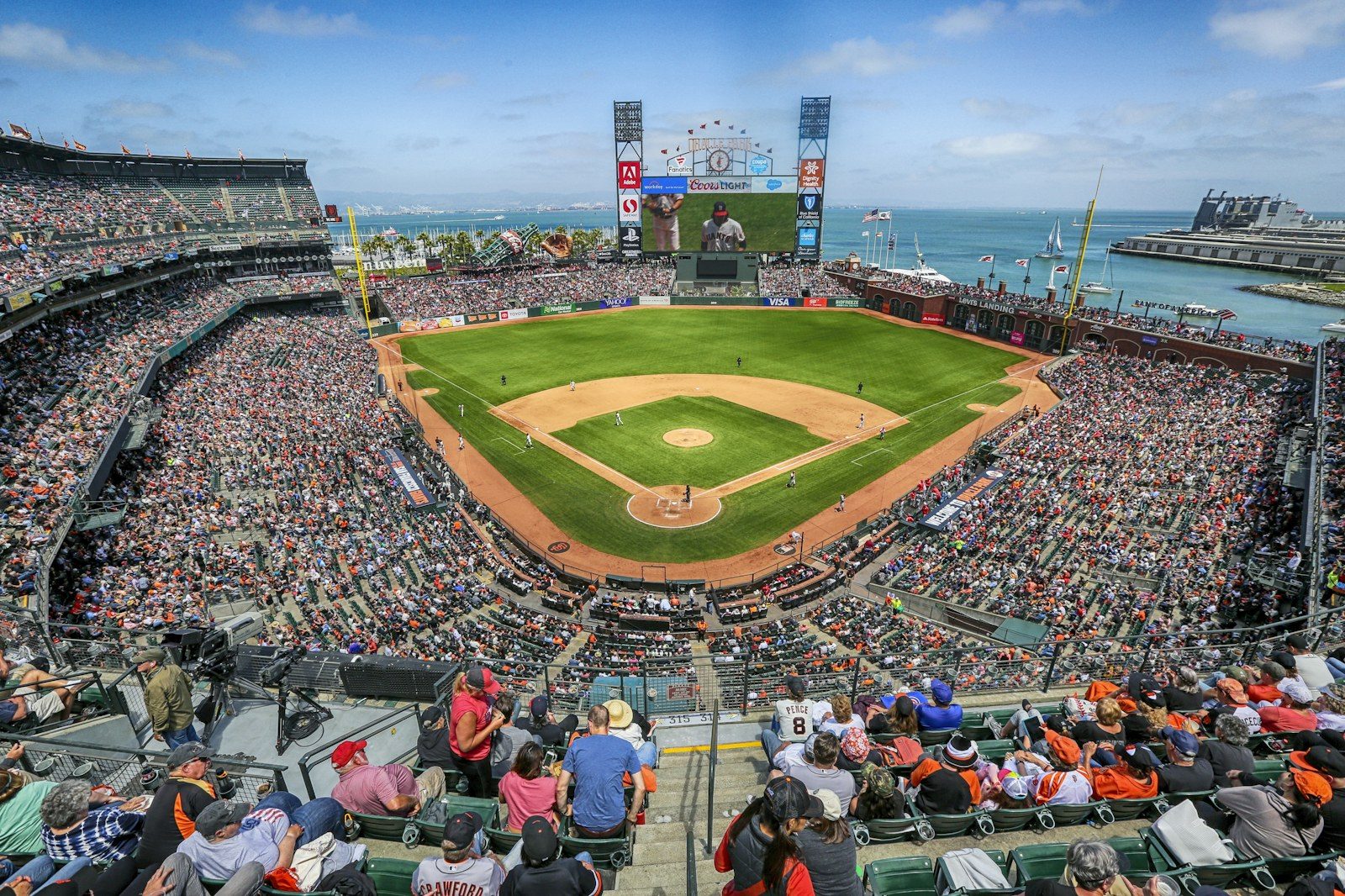
The common mistake is checking weather for the ballpark city rather than the specific stadium microclimate. Wrigley Field, Oracle Park, and Fenway Park each have wind patterns that do not match the general city forecast.
Another mistake is assuming wind blowing out always means over. A strong outfield wind can cancel a pitcher's weakness by carrying warning-track fly balls into outs that would otherwise be extra-base hits against a different wind.
A cleaner operating rule
The cleaner rule is to make weather wind speed and direction the first item on your pregame totals checklist, not the last. If you do not know what the wind is doing, you do not know what the total should be.
This is BetSigy execution: weather is a matchday variable that changes the decision before the first pitch, not after.
How to apply it in practice
Put weather wind speed direction into a short pre-decision worksheet instead of leaving it as a vague idea. The worksheet should have one line for the trigger, one line for the evidence that confirms it, one line for the evidence that cancels it, and one line for the action you will take if the check fails. That turns the guide into a repeatable process rather than a memory test.
For betting strategy work, the most useful habit is to grade the process even when the final result is noisy. A bet, trade, or protocol route can win for the wrong reason, and it can lose after a disciplined pass/fail check. Record whether the checklist was complete, whether the weak point was known before entry, and whether the final decision matched the original rule.
When to pass
Pass when the check depends on information you cannot verify in time. Waiting is not wasted effort if the missing detail is the detail that carries the risk. The whole purpose of weather wind speed direction is to make uncertainty visible before it turns into exposure.
Also pass when the only reason to proceed is that the price, headline, or interface looks attractive. Good operating rules are allowed to be boring. They protect the bankroll, account, or wallet from a decision that has become too dependent on assumptions.
Review the rule after several uses, not after one dramatic outcome. If weather wind speed direction repeatedly stops weak decisions without blocking the strongest setups, keep it. If it blocks everything, tighten the trigger so the checklist remains practical for real sessions and not just theory.
Continue this cluster
Continue this cluster with related evergreen guides that stay inside the same search intent family.