Explore Hub: Safe Betting Strategy
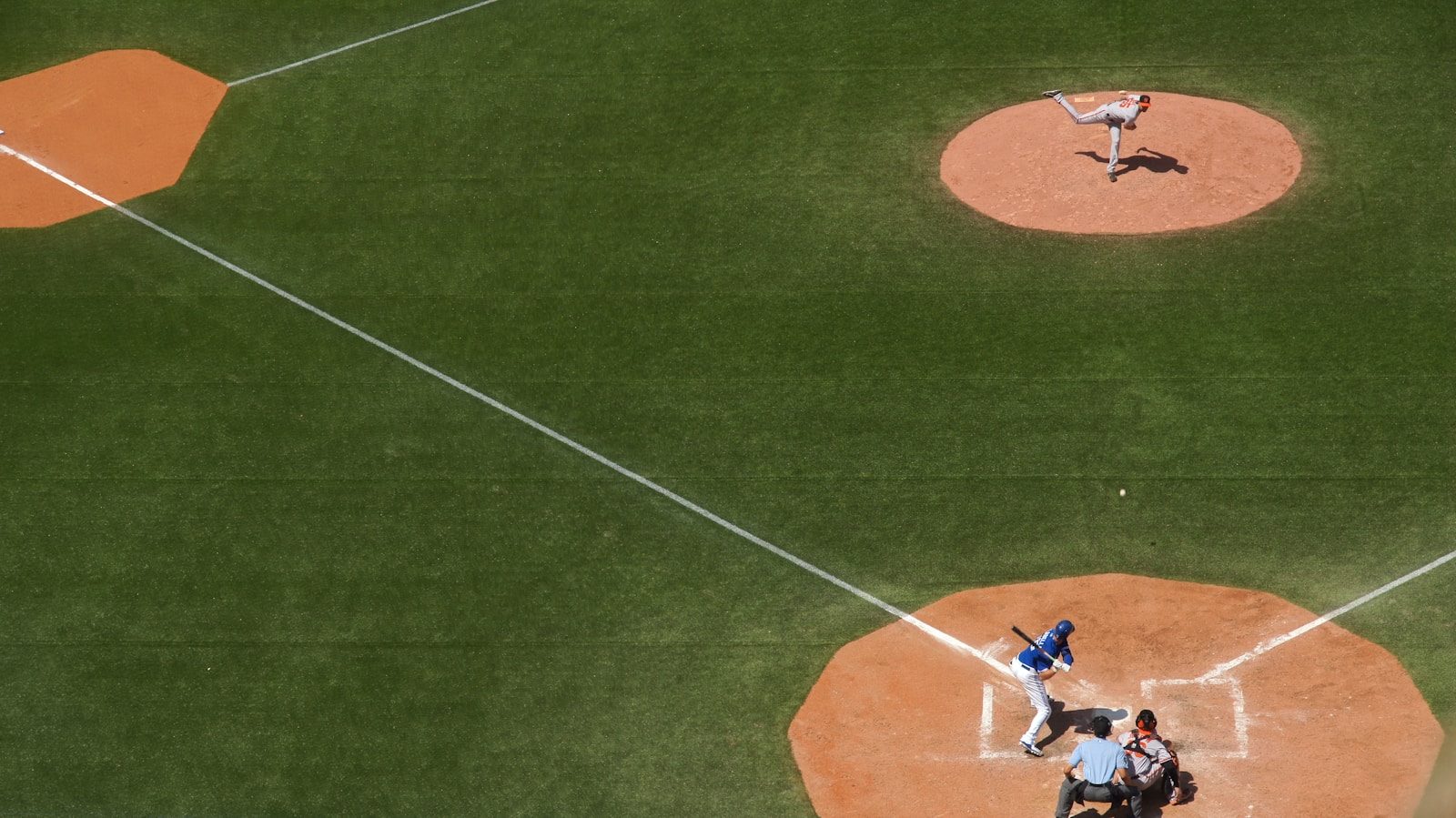
Catcher framing drop before MLB first-five bets is a pregame and early-live filter for how much help the listed starter may actually receive.
Start With The Battery
A starter projection can lose quality when the catcher changes from a strong receiver to a weaker framer. Borderline strikes become balls, pitch counts climb and the first-five handicap can weaken without any change to the pitcher name.
This is most important for arms that live on edges. Sinkerballers, command-first lefties and breaking-ball heavy starters often need the catcher to turn close pitches into strike leverage.
Check Umpire Fit
Framing matters more with an umpire who rewards presentation around the edge. If the zone is tight or inconsistent, a framing downgrade can show up quickly in long counts and early walks.
The execution read should not rely on reputation alone. Watch the first inning for called-strike quality, missed glove targets and whether the pitcher starts moving toward the heart of the plate to avoid falling behind.
Separate First-Five From Full-Game
A catcher framing drop is usually a first-five issue before it is a full-game issue. It affects starter efficiency, early pitch count and whether the bullpen is forced into the game ahead of plan.
Full-game bets can still survive if the bullpen branch is strong or the opposing lineup is weak. First-five bets have less time to absorb the downgrade, so they need a cleaner threshold.
Use No-Bet Mode Early
If the battery change is announced late, no-bet mode is often better than forcing a stale pregame read. Let the first inning show whether the starter can win calls without the usual receiver.
A live entry after one clean inning can be more professional than a rushed first-five bet before you know whether the zone and catcher are working together.
Build A Short Checklist
The compact checklist is battery change, umpire zone, starter edge dependency, lineup patience and bullpen backup. If three of those lean against the starter, reduce first-five aggression.
Catcher framing drop before MLB first-five bets is not a stat to worship. It is a matchday context filter that keeps the bet type aligned with the confirmed game state.
- Downgrade edge-dependent starters first.
- Watch called-strike quality before forcing live entries.
- Keep first-five and full-game decisions separate.
Decision workflow
catcher framing drop before MLB first-five bets should finish with a written decision, not a loose feeling. In practice, battery and first-five execution checks works best when the checklist ends in one of three states: enter, reduce or pass. That keeps the process usable when the board is moving quickly.
Use enter only when the price, rule or protocol state still matches the original thesis. Use reduce when the main idea survives but one execution input has weakened. Use pass when the catcher downgrade, umpire profile and pitcher command all point against the original read and the remaining edge depends on guessing rather than confirmed information.
The useful habit is to write the condition before the bet, trade or deposit is made. If the condition is not observable, it is not a rule. If it is observable but ignored, the problem is not research quality; it is execution discipline.
Common false positives
The biggest false positive in catcher framing drop before MLB first-five bets is treating one visible input as the whole decision. A refund, substitution, funding change or protocol release can be real and still not be enough to justify action. It has to improve the route you are actually using.
A second false positive is using an old read after the board changes. Prices move, lineups confirm, funding clocks reset and upgrade windows pass. When the context changes, the checklist should be rerun instead of patched in your head.
A third false positive is confusing lower friction with better value. The easiest route can be worse if it carries more margin, weaker settlement, thinner liquidity or less transparent control. The checklist exists to make that tradeoff visible.
Review after the result
After settlement or activation, record what the checklist saw, what it missed and whether the final decision matched the confirmed state. That review turns catcher framing drop before MLB first-five bets from a one-off article into a repeatable workflow.
The strongest outcome is not always a winning ticket or a profitable trade. Sometimes the strongest outcome is a skipped position that would have relied on a weak rule, stale market or unclear protocol assumption. That is still value preserved.
Continue this cluster
Continue this cluster with MLB live execution checks that turn substitutions, catcher context and lineup changes into bet-type discipline.