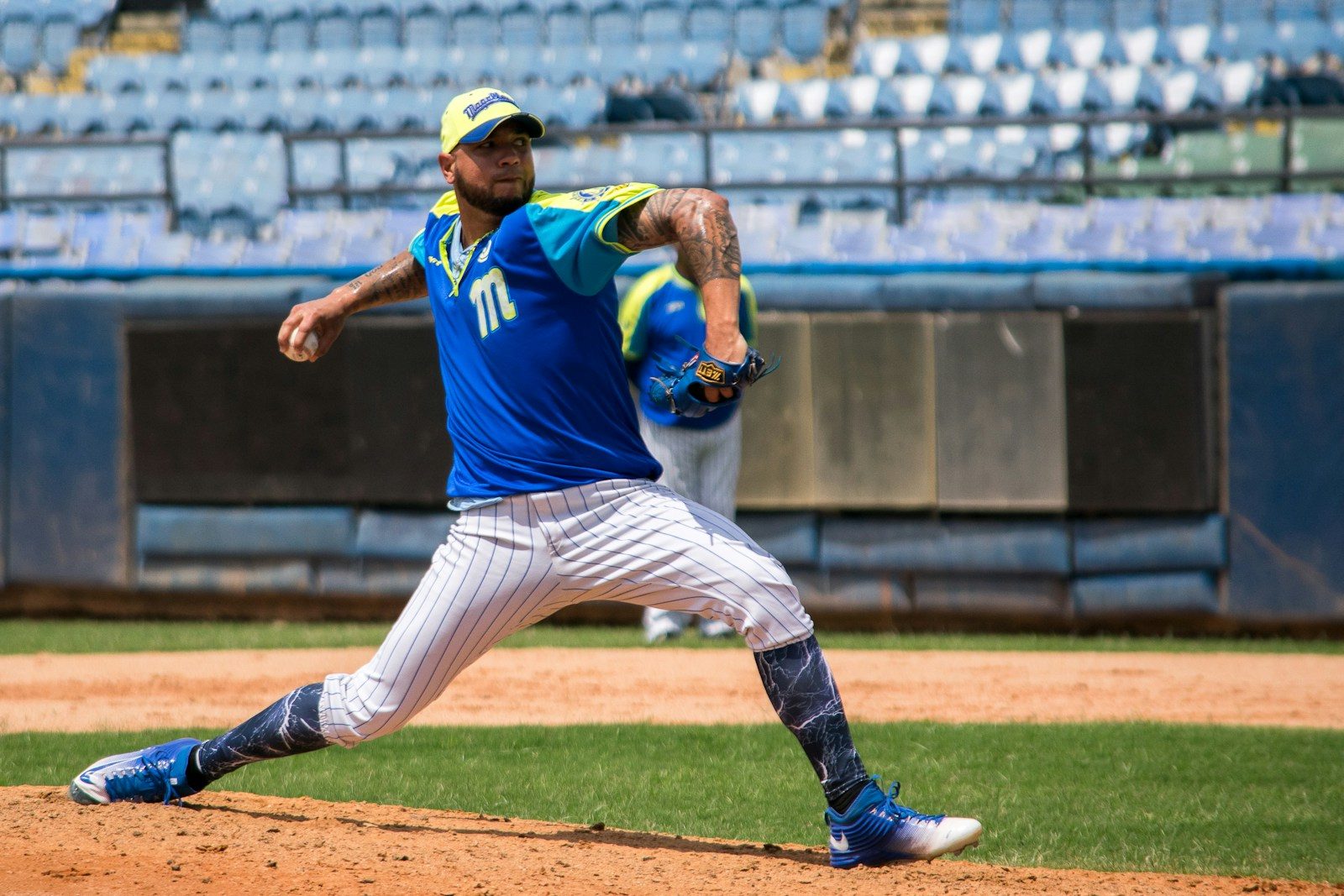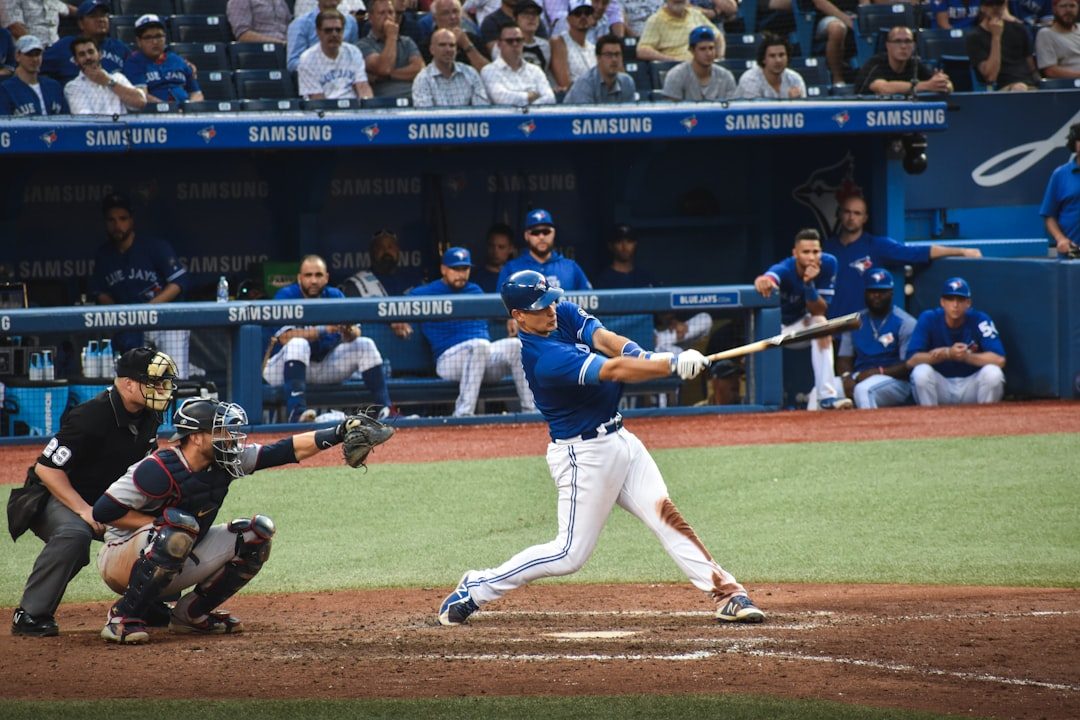
Checking MLB probable pitchers and starting lineups is a matchday execution step, not a formality. A pitcher listed early in the day may be tentative, and a projected lineup can change after warmups, a late scratch, or a rest decision. For a bettor, the practical question is whether the information supporting a market is confirmed, how much it changes the matchup, and whether the available price still reflects the new information.
Separate probable from confirmed
A probable pitcher is an expectation, not a guarantee. Start with the official schedule and probable-pitcher page, then look for the club’s confirmed lineup when it becomes available. Do not treat an unofficial projection as equivalent to a manager’s final card. If the starter is uncertain, record both the expected arm and the replacement scenario. The replacement may alter pitch mix, handedness, bullpen usage, and the number of innings the team expects to cover.
Read the lineup in context
The nine names matter, but the order and defensive positions matter too. A missing leadoff hitter can change plate appearances for the entire game. A catcher change may affect pitch framing and the relationship with a starter. A designated hitter moving into the field can create a different substitution plan. Compare the announced lineup with the usual configuration, then ask whether the change affects only one batter or also the way the team manages the bench.
Why first-five and full-game views differ
The starting-pitcher edge is usually more relevant to a first-five market than to a full-game market. Relief depth, recent workload, handedness matchups, and a team’s leverage pattern become more important after the starters leave. A strong starter on a restricted pitch count may support a different view from the same team’s full-game profile. Do not carry a first-five conclusion into a full-game decision without checking the bullpen and expected manager usage.
Check workload and role changes
Recent innings, pitch counts, rest days, and opener plans can change the meaning of a name on the schedule. A pitcher returning from an injury may be available but limited. An opener may face only a portion of the order before a bulk reliever enters. A team may also protect a starter before a doubleheader or use a call-up in a planned short appearance. Write the role assumption beside the market rather than relying on the player’s name alone.
Confirm the information timestamp
Lineup data is time-sensitive. Save the time at which the probable pitcher and lineup were checked, and mark whether each item is official, projected, or still pending. When the market moves, ask which piece of information changed. A price move without a confirmed lineup should not be interpreted the same way as a move after a star player is scratched. If a feed is delayed, reduce confidence rather than filling the gap with an assumption.
Build a no-bet rule
A disciplined workflow needs a clear stop condition. Pause when the starter is unresolved, when the lineup lacks multiple regulars, when the bullpen has an unusual workload, or when the market rules differ from the analysis. The purpose of a no-bet rule is not to avoid every uncertain game; it is to prevent a rushed decision from being presented as a researched edge. A smaller slate with confirmed information can be more useful than a larger list built on projections.
Execution checklist
- Is the probable pitcher confirmed by an official source?
- Is the starting lineup announced, and are there late scratches?
- What is the starter’s recent workload and expected role?
- Does the first-five or full-game market match the thesis?
- What bullpen availability changes the later innings?
- What information would invalidate the decision?
Use the answers as a record of the decision, not as a promise about the result. Baseball remains uncertain even when every name is confirmed. BetSigy’s matchday approach focuses on information quality, timing, and execution discipline. Check current official information again before acting, and use only a budget you can afford to lose.
Continue this cluster
Related BetSigy research covers injury reports, bullpen workload, first-five markets, live betting, and no-bet execution. Visit the BetSigy blog for the next guide in this cluster.