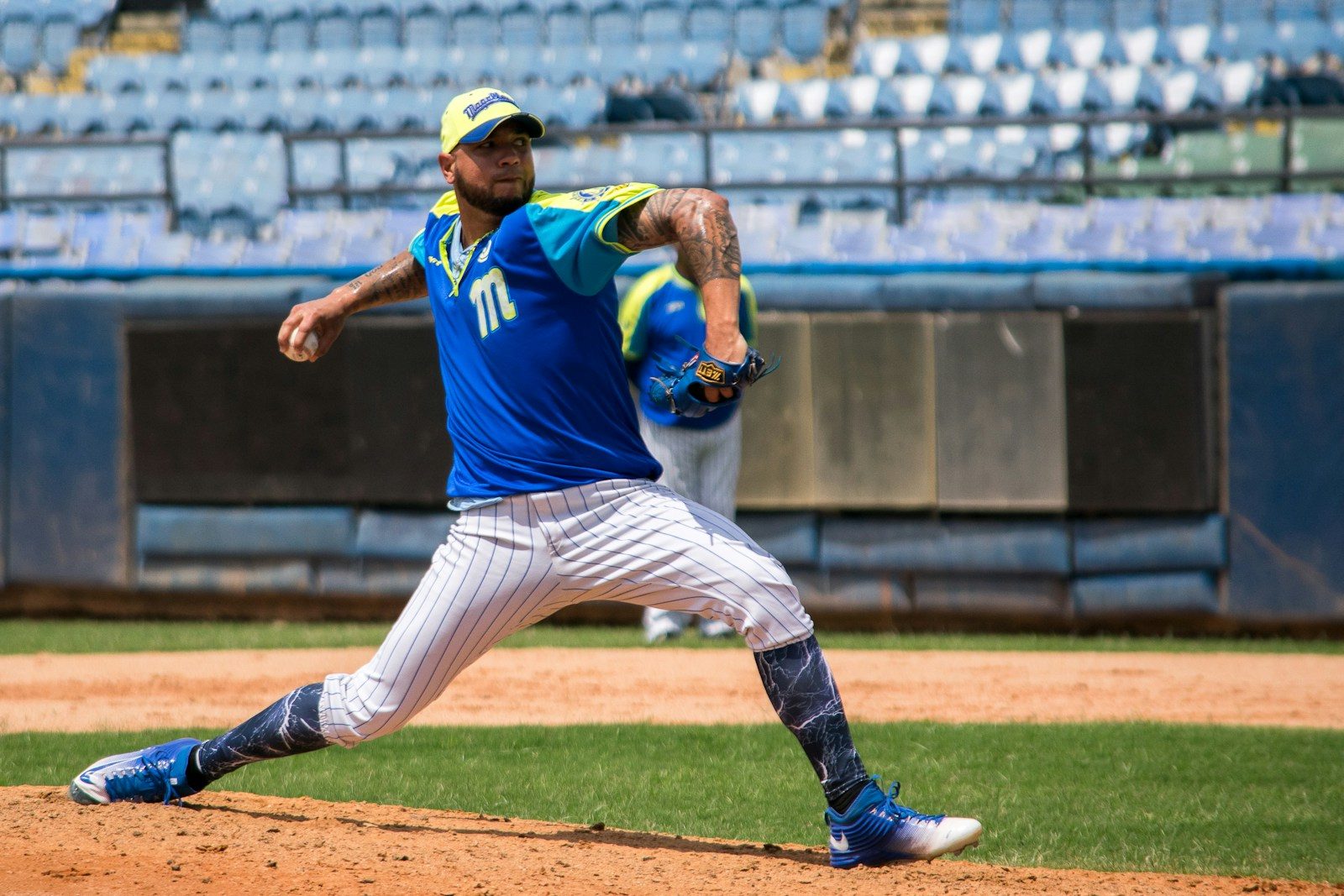
MLB starting pitcher scratch news can turn a familiar matchup into a different game before the first pitch. The mistake is treating every market as equally damaged or assuming that a replacement name automatically makes the original bet void. MLB defines a starting pitcher as the pitcher who begins the game, but the betting decision still depends on the replacement role, the market horizon, and the rules of the sportsbook accepting the wager.
This guide is for the moment a listed starter is scratched and you need a clear answer: pass first-five, pass full-game, pass both, or rebuild only one market. It uses no specific game claim. Check current team news, the official lineup, and the exact market rules before acting.
Start with the reason for the scratch
Write down what changed and what is still unknown. A scratch caused by illness, discomfort, a schedule change, or a club decision does not tell you the replacement's expected workload. The next pitcher might be a normal starter, an opener, a bulk reliever, or an emergency option. Those are different baseball plans, not interchangeable labels.
Confirm the replacement from an official team or MLB source, then record the time. If only a social post or an unverified alert says the original pitcher is out, the correct status is pending. Do not re-price a first-five line from an unconfirmed rumor. The MLB starting-pitcher glossary is useful for the role definition, while the club announcement supplies the matchday status.
Why first-five and full-game damage differently
First-five markets isolate an early game window, so a scratch can remove the exact starting-pitcher edge behind the original analysis. A replacement with a lower expected workload may also expose the team to an early bullpen plan. That usually makes first-five the most fragile market when the original thesis was built around the named starter.
Full-game markets carry a second layer: relief depth, leverage order, recent usage, and the manager's likely bridge from the replacement to the late innings. A scratch can hurt the full-game view even more if it pulls a planned reliever into the opening innings. It can also matter less than expected when the replacement is comparable and the bullpen is rested. The answer must be rebuilt, not copied from first-five to nine innings.
Use a four-outcome scratch matrix
Pass both markets when the replacement is unnamed, the role is unclear, or the scratch appears connected to a workload or health concern that you cannot quantify. This is the cleanest default when the original price was starter-dependent and the information gap is still wide.
Pass first-five, reassess full-game when a credible replacement is confirmed but the early-inning matchup is materially different. The full-game side may still have a separate case if the lineup, defense, and available relievers support it. That is not permission to keep the old ticket; it is a new analysis with a new price.
Pass full-game, reassess first-five when the replacement is expected to work a defined short window and the rest of the pitching plan is uncertain. A first-five market may be the only horizon that matches a known opener or bulk-pitcher plan, but do not assume it is playable until the sportsbook rules and role are clear.
Rebuild neither automatically only when the replacement is confirmed, the role is understood, the relevant lineup is official, and the available price still compensates for the new uncertainty. "Neither" means neither market is automatically dead; it does not mean both deserve a bet.
Check settlement rules before calling it void
A starting-pitcher change and a void are not always the same event. Market language may distinguish projected pitchers from a "pitcher must start" condition. DraftKings' baseball rules, for example, say projected starters can be informational for many markets while a pitcher-must-start market has a different treatment. That is one operator's rule set, not a universal MLB standard. Read the rules for your book, state, market, and bet slip.
If you already placed a wager, save the original ticket and do not chase a replacement price immediately. If you have not placed it, a pass costs nothing and preserves the option to evaluate a confirmed market later. A line that moves sharply after the scratch is evidence that the market changed; it is not evidence that the new number is fair.
Two hypothetical examples
Example one: Team A's listed starter is scratched 25 minutes before first pitch. The replacement is named but has not worked beyond three innings since returning from an injury, and two high-leverage relievers pitched yesterday. Pass first-five and full-game. The missing workload information and bullpen strain affect both horizons.
Example two: The original starter is scratched, but a rested starter takes over with a normal workload and the official batting orders are unchanged. The first-five edge needs a new price. The full-game market still needs a bullpen check. You may reach different conclusions, but neither conclusion can reuse the old number.
Write the pass rule before the next alert
Use a short note: "If the starter changes, I need a confirmed replacement role, workload expectation, lineup, bullpen availability, and current settlement rule. If any one remains unclear, I pass." This keeps a late alert from becoming a reason to increase urgency. NCPG's responsible-play guidance also emphasizes planning, breaks, and betting only what you can afford.
For more lineup and injury workflows, visit the Lineup and Injury Analysis hub or continue through the BetSigy US English blog. This is informational content, not a promise of profit. If the scratch makes the game harder to explain, passing is a complete decision.
Sources: MLB Starting Pitcher Glossary · DraftKings Baseball Rules · National Council on Problem Gambling Responsible Play Toolkit