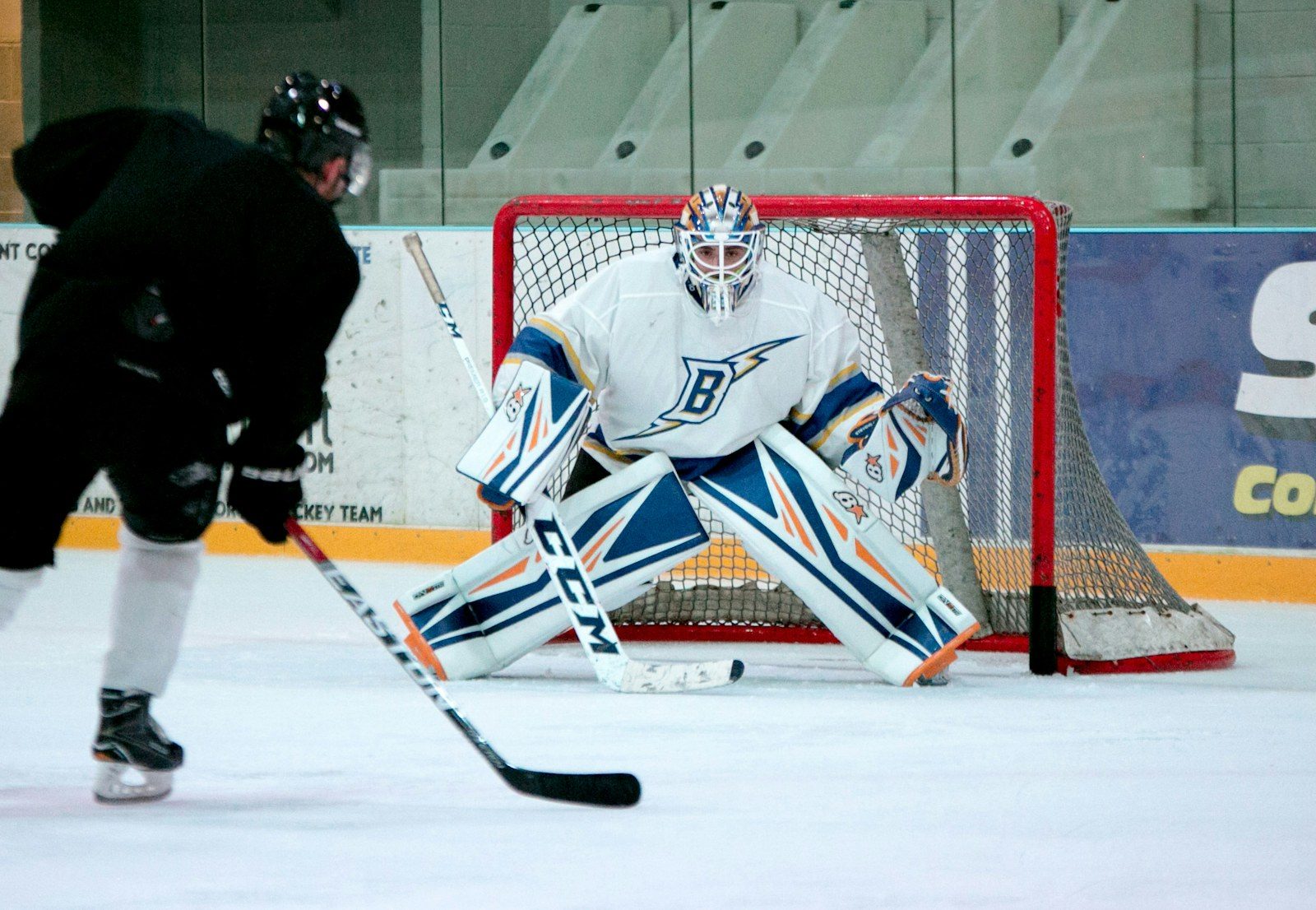
For PWHL player props in Canada, the 2026–27 season begins with a major context change: four expansion teams join the league, bringing the schedule to 12 clubs and 180 regular-season games. A player’s previous-season points total may still describe past production, but it cannot tell you what their new line, power-play assignment or ice time will be after roster movement.
As of late October, the regular season has not started. Training camps are scheduled to open in November, with the first regular-season games in December. That means there is no current-season sample to analyse yet. Early odds should be read as a market built from past performance and expected roles, not proof that a new player combination will work.
Start with the expansion map
The official PWHL schedule release lists a 180-game season beginning December 5, 2026. The expansion-player process added Hamilton, Detroit, Las Vegas and San Jose. Use the league’s expansion distribution information to trace roster moves and the official schedule to confirm the game, venue and date.
For a returning player, check whether the old linemates or special-teams unit remain together. For a player moving to an expansion club, look for a signed contract and camp assignment before assuming the new team gives them more usage. A new club may offer a larger role, but its coach can still distribute shifts differently or use a rookie on a different unit.
Do not mix a player’s 2025–26 statistics with a projected 2026–27 role as though they were one continuous sample. Make two columns: what the player did last season, and what is confirmed or still unknown for the new season. That simple separation prevents a projection from being mistaken for a historical fact.
Check the exact player market
A points prop, goal prop and shots-on-goal prop measure different things. Points can come from goals or assists; a goal market needs the player to score; shots on goal depend on attempts reaching the net. A player can have good possession and create chances without recording a point, while a low-volume shooter may still score from a single opportunity.
Read the line and settlement terms before analysing the player. Check whether the selection applies to the full game, whether overtime is included, and what happens if the player is scratched after the market opens. If the market is only available as a special or same-game combination, verify that each leg uses the same game and period.
Once camp reports become available, track likely line mates, power-play unit, penalty-kill use and expected shifts. A first-line label alone does not prove high ice time; coaches can split offensive minutes across several units. A defender’s power-play role can create assists or shots, while a forward’s penalty-kill assignment may change their shift pattern. Confirm the role from official team or league updates close to puck drop.
Use previous-season numbers carefully
For returning players, look at games played, points per game, shots, power-play production and available ice-time data. Keep the denominator visible. Ten points in ten games and ten points in thirty games are not the same evidence. Injuries, trades and missed games can make a per-game average look more stable than the underlying role really was.
For expansion teams, the first games will create a small sample. One multi-point night can distort a new team’s average, and one long road trip can affect several players at once. Avoid making a strong conclusion from a handful of games. Compare expected minutes and role first, then use the early results as an update rather than a complete reset of your view.
Goalie performance and opponent defence also shape scoring. A top line facing a strong starting goalie may create fewer high-quality looks; a backup start or a change in defensive pairings can shift the matchup. Verify the goalie and lineup from a reliable source, but don’t turn an uncertain projected starter into a precise points forecast.
Build an early-season tracking sheet
For each player, record the date, opponent, venue, starting line, power-play unit, minutes played, shots, points and the prop line you observed. Add a note about whether the role was confirmed or projected. If a line changes after an injury announcement, preserve both prices and the time of the update so you can see how team news affected the market.
Separate team-level changes from individual form. A new expansion side may need time to develop chemistry, but that does not mean every opponent has an automatic scoring advantage. Travel, rest, defensive structure and goaltending still matter. A player’s line mates can improve or reduce chances, and the coach can change assignments from one game to the next.
The PWHL says its teams will open training camps on November 18 and will provide live statistics through its official site. Use the camp and stats announcement as a starting point, then verify each game’s live or post-game numbers in the league’s current stats pages. Do not compare a preseason scrimmage with regular-season production without marking the format difference.
Compare odds only after role confirmation
When a player’s role is uncertain, the best analysis may be to wait. Compare the same line across Canadian books only after checking availability, market period and overtime rules. A price on over 0.5 points is not directly comparable with over 2.5 shots, and the odds can move as a lineup becomes public.
Use a checklist before assessing an early PWHL prop:
- Roster: is the player signed, healthy and expected to dress?
- Role: which line, power-play unit and likely shift load?
- History: how many games and minutes support the prior-season rate?
- Opponent: confirmed goalie, defensive matchups, travel and rest?
- Market: exact stat, line, period, overtime terms and price timestamp?
If the player has only a projected role or the line is based on a tiny sample, lower your confidence or pass. Women’s hockey markets can offer limited data and liquidity compared with larger leagues; a posted price is not the same as broad market consensus.
Keep the expansion season in perspective
Expansion changes opportunity, but it does not guarantee that a player will take more shots or record more points. New rosters create both new roles and new uncertainty. Use official transactions and team news to establish what is known, then update your analysis as real ice time and line usage appear.
Explore more structured sports analysis in our match analysis hub, and read Canadian coverage on the BetSigy Canada blog. Set a budget before betting and never chase an early-season result.