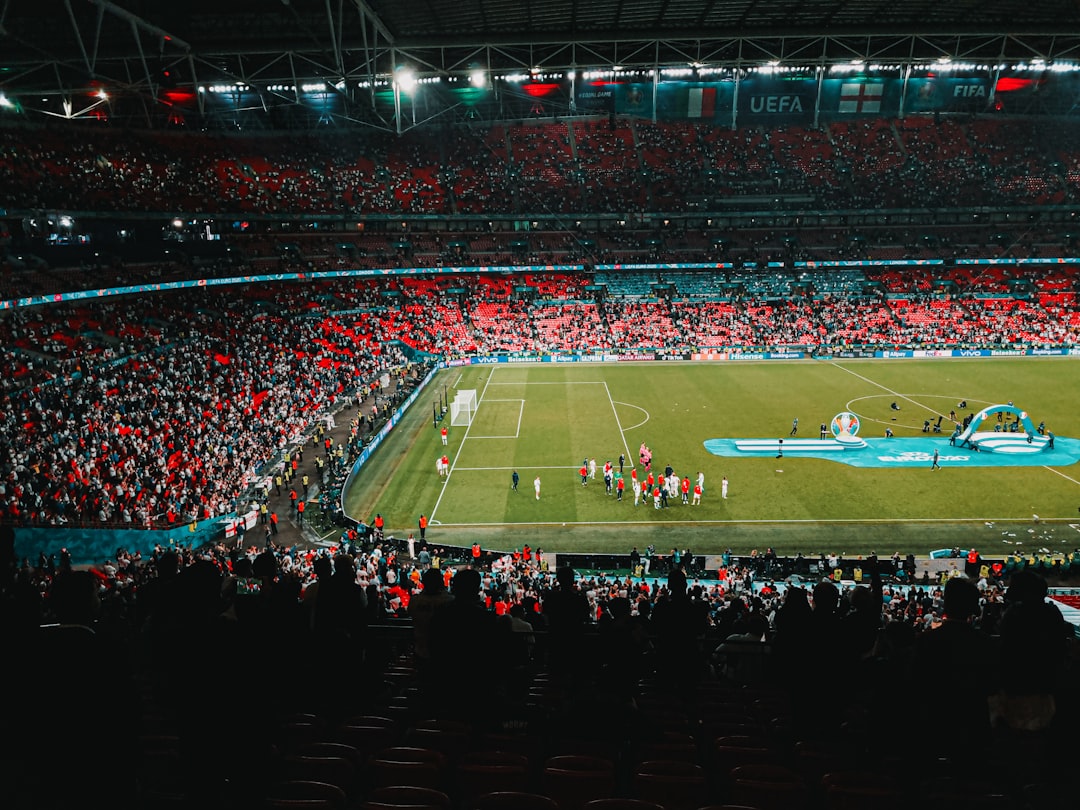
Confirmed fixture: Liverpool host Arsenal at Anfield
Liverpool vs Arsenal 1 November 2026 is scheduled for Sunday afternoon at Anfield. The Premier League fixture list gives a 16:30 GMT kick-off, and Liverpool FC’s official men’s fixture calendar identifies the same date, venue and opponents. The club’s fixture update also records the move to Sunday and says the match is due to be shown live on Sky Sports in the UK. Because televised and European schedules can change, use the league or club match centre as the final source on matchday.
That official confirmation is the firm starting point for this preview. It is not a prediction about the result, and it does not confirm who will start, who is injured or how either manager will set up. Those details should be checked again after each club releases its team information.
Why the date and time deserve a final check
Football search results can mix an original fixture date, a revised television slot and a time shown in another region. The official Premier League list uses GMT for the November fixture, while club pages may automatically display a visitor’s local time. If you are travelling to the ground, watching from another UK nation or following from overseas, confirm the zone shown beside the kick-off rather than relying on an old search snippet.
For a matchday note, save the fixture page and check it again before leaving or planning a live session. A date change can affect trains, pubs and viewing arrangements as well as the game itself. The match centre also gives a useful route to line-ups and live updates once they are available.
Treat the first team sheet as the start of the tactical picture
Before the official line-ups appear, predictions about a starting striker, goalkeeper or midfield pairing remain guesses. A name in a projected XI is not evidence that the player is fit or selected. When Liverpool and Arsenal publish their teams, compare the confirmed formation with the expected roles: who provides width, which midfielders protect the centre, and whether the front line has a runner behind the defence or a player who links attacks.
Bench options matter too. A substitute can change the type of pressure a team applies late in the match, but that possibility should not be described as a guaranteed tactical switch. Read the actual bench before discussing depth, and keep a note of whether a player has been omitted, named as a substitute or confirmed unavailable by the club.
Watch the opening phase before drawing conclusions
Anfield atmosphere and a high-profile opponent can make the opening minutes feel decisive, yet a quick spell of possession does not tell the whole story. Notice whether the side in possession can progress through midfield, whether pressure forces rushed clearances and how quickly both teams can recover their shape after losing the ball. One sequence is only a clue; repeated patterns provide better evidence.
If one team presses high, check what happens behind that press. Does the opponent find a safe pass into midfield, go around the pressure or play forward early? If a side chooses a deeper block, see whether it protects the central area and makes the other team attack from wide positions. Describe what the match shows rather than assuming a tactic from the club badge.
Separate chance quality from the number of attacks
A busy first half can produce many shots without creating many clear chances. When reviewing the match, distinguish a speculative effort from a shot taken centrally after a cut-back or a break into the penalty area. Check the official match statistics after the game and, where available, the locations and circumstances of the attempts. Raw shot totals alone can overstate how dangerous a team looked.
The same caution applies to possession. A high share of the ball may reflect controlled territory, or it may be sterile circulation in front of a compact defence. Combine possession with entries into the box, turnovers in dangerous areas, set-piece pressure and clear chances. Those indicators explain the match better than a single percentage or a pre-match label.
Set pieces and transitions can change the match state
Corners and free-kicks deserve attention because they create structured situations in a game where open-play space may be limited. Watch who delivers, how the teams arrange their markers, whether a runner attacks the near post and what happens to the second ball. One corner is not enough to establish a pattern, so look for repeated routines before calling a side dominant from dead balls.
Transitions offer another useful check. After a turnover, note how many players are ahead of the ball and whether the defending side can delay a counter until teammates recover. A team that loses possession in a crowded central area faces a different problem from one that gives it away near the touchline. This is a way to read the actual contest, not a forecast that a particular counter will lead to a goal.
What to do with late news
If an important player is missing from the team sheet, first confirm the reason from a club statement or a reliable match report. Absence does not automatically make a replacement weaker in every phase; role, fitness, tactical plan and the opponent all matter. Avoid repeating social posts that turn a training photo or rumour into a definitive injury update.
Likewise, if the kick-off, weather or broadcast listing changes, update the practical details without extending that change into unsupported claims about performance. Keep the factual note separate from analysis. This makes a preview more useful for readers searching Liverpool Arsenal team news 1 November than a list of unconfirmed names.
A compact pre-match checklist for UK readers
Before kick-off, confirm the date and GMT start time on the Premier League or Liverpool match page; check the venue and current broadcast information; wait for both confirmed line-ups; and review official updates on availability. During the match, track repeated build-up routes, the pressure after turnovers, set-piece patterns and the quality rather than just the count of chances. Afterward, compare those observations with the official statistics and result.
This order keeps the preview grounded: schedule first, confirmed information second, match reading third. It also leaves room to change your view when new evidence arrives. A fixture page is not a source for a starting XI hours before it is released, and an early spell should not be treated as a final verdict on the game.
Keep analysis separate from certainty
Liverpool and Arsenal are prominent Premier League clubs, so their meetings attract strong opinions and quick claims. A responsible preview can explain the confirmed setting and identify questions worth watching without declaring a guaranteed outcome. Line-ups, match state and events on the pitch should update any analysis as they happen.
For more source-led match reads, visit the match analysis hub and browse the BetSigy UK football archive. Recheck official fixture information before making travel or viewing plans; the published schedule remains subject to change.