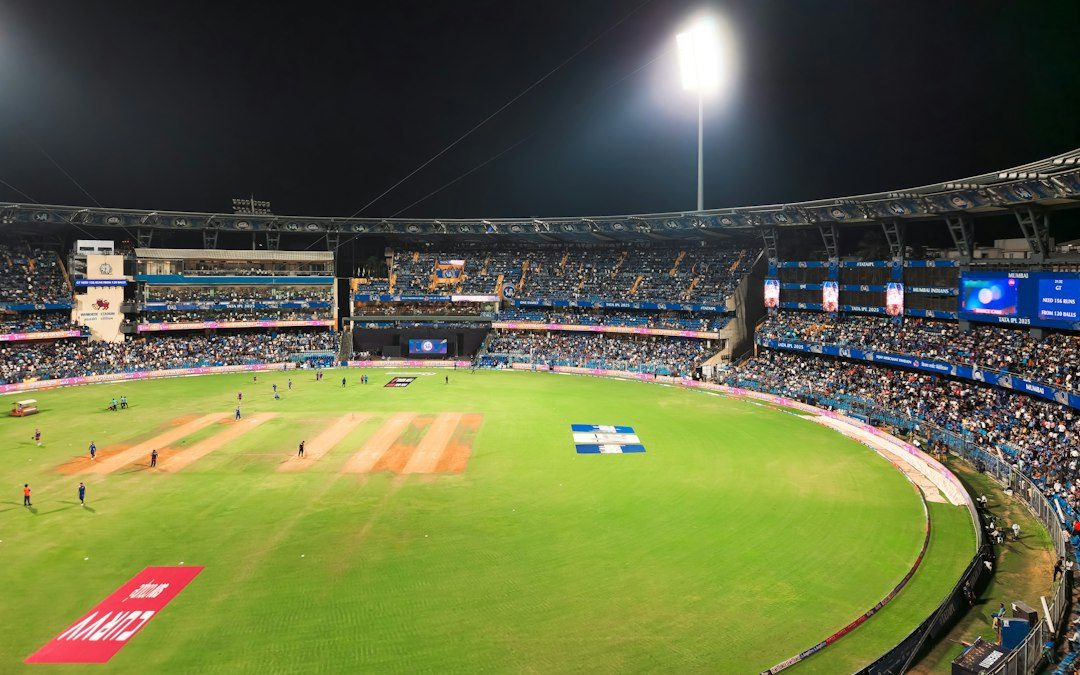
The India Women vs Zimbabwe Women 2nd ODI is scheduled for Sunday, 25 October 2026, at the BCA Stadium in Vadodara, with the start listed by BCCI as 2:00 pm IST. That makes this a useful preview for readers searching for the match date, venue, squad context and playing XI status. At publication time, the official squad is available, but the final eleven should be checked close to the toss rather than treated as confirmed in advance.
Match details to verify first
BCCI lists the fixture as the second ODI of Zimbabwe Women’s tour of India, in Vadodara on 25 October. Its series notice gives the ODI timings in Indian Standard Time and schedules the third match for 28 October, also in Vadodara. Check the official match centre again on match day in case a start time, venue notice or match status changes. Search snippets and old fixture cards can retain an earlier time after a schedule update.
The first ODI is set for 23 October. Its result and any post-match team updates may affect how readers interpret the second match, so use the current scorecard and official team communication before relying on a preview published earlier in the series. This article does not assume a first-match result, a winning margin, or a change in either side’s combination.
Squad is not the same as a confirmed XI
BCCI’s announced India ODI squad includes captain Smriti Mandhana, Shafali Verma, Pratika Rawal, Harmanpreet Kaur, Harleen Deol, Tejal Hasabnis, Deepti Sharma, Richa Ghosh, Yastika Bhatia, Vaishnavi Sharma, Nandni Sharma, Sree Charani, Kranti Gaud, Sayali Satghare and Renuka Thakur. A selected squad is a pool of available players; it does not tell readers which eleven will take the field on Sunday.
For a confirmed India Women playing XI, look for the official team sheet after the toss. A player’s presence in a squad announcement, an expected lineup graphic or a previous match’s eleven is not confirmation for this fixture. Apply the same check to Zimbabwe Women. If a source calls a lineup “probable”, keep that label visible and do not repeat it as an official selection.
What a neutral match preview can assess
For an ODI, evaluate batting depth, the likely balance between pace and spin, wicketkeeping options, and how the bowling group covers the middle overs as well as the final overs. These are questions for squad and scorecard review, not claims that one side has a guaranteed edge. Use the official scorecard to see who actually played the first game, how many overs each bowler delivered, and whether a player role changed during the innings.
A useful comparison separates role from reputation. For batters, recent ODI innings, balls faced, strike rate and dismissal pattern tell a clearer story than a single headline score. For bowlers, overs, wickets, runs conceded, economy and dot-ball pressure need to be read together. A low economy from a short spell is a small sample; it should not be treated as a stable measure of ability on its own.
Read the venue without inventing a pitch report
The BCA Stadium is the listed venue, but a ground name alone does not reveal how the surface will play on a particular afternoon. Do not describe the pitch as a certain type unless a current ground report or on-site observation supports it. Before the toss, check official match coverage for the playing surface, weather interruptions and any inspection updates. After the toss, record who bats first and whether the team sheet changes the expected balance.
In a limited-overs match, conditions can change through the day. Cloud, heat, moisture, wind or a rain delay may affect player workload and the time available for each innings. A preview written before the inspection cannot know those details. Treat them as update points, and distinguish confirmed information from a general description of Vadodara weather or the venue.
How to compare the two innings
Once the match begins, keep the first-innings total separate from the chase. Note wickets in hand, overs remaining, required run rate, boundary frequency and the set batters at the crease. A target that looks large can become manageable if the batting side has wickets and a strong scoring phase ahead; a moderate target can become difficult after a cluster of wickets. The score alone misses that context.
If the match is shortened by rain, the playing conditions and revised target become central. Use the official match centre and scorecard for the current target and overs; do not calculate a new target from an unofficial graphic. A DLS adjustment can change the chase equation and the meaning of a projected total. Label any comparison with the match state and time so it is not mistaken for a pre-match assessment.
Playing XI and toss checklist
- Confirm the fixture is still the 2nd ODI on 25 October at BCA Stadium, Vadodara.
- Check the toss time and official team sheets, not projected lineups.
- Record batting order and the roles of the selected wicketkeeper, all-rounders and specialist bowlers.
- Review the 1st ODI scorecard only after it is final, and distinguish a one-match sample from a trend.
- Note any weather interruption, revised overs or DLS target from the official feed.
That routine is more useful than repeating a predicted XI without a source. If a player is listed as unavailable or a late change is reported, follow the team or competition announcement and update the time of your note. A team sheet can also differ from the squad list; both pieces of information matter, but they answer different questions.
Search terms and local match intent
For Indian readers, the natural queries combine the team names, format and match number: “India Women vs Zimbabwe Women 2nd ODI”, “IND W vs ZIM W 2nd ODI”, “India Women match time”, “India Women playing XI today” and “Zimbabwe Women tour of India 2026”. Search phrasing shifts between English and abbreviations, so this guide keeps both the full names and familiar scorecard shorthand. “Playing XI” is a request for the confirmed team, which is why the final list must be updated after the toss.
This is a fixture-specific preview, not a live score report. For the authoritative schedule and squad list, see BCCI’s series announcement and the official match centre. The ICC match page provides another official fixture reference. Browse more cricket analysis in the India English article archive and match analysis hub.
Keep the analysis measured
A preview cannot remove uncertainty from sport. Do not read a squad list, a past score or a venue label as a promise about the next result. If you follow the match, decide in advance how much time you want to spend on updates and use reliable official sources for changes. Any betting decision carries a risk of losing money; this guide makes no outcome prediction or recommendation.