Explore Hub: Safe Betting Strategy
The primary keyword for this guide is catcher day-off checklist. Catcher Day-Off Checklist Before MLB First-Five Bets is an evergreen checklist, not a news reaction, because the same decision problem appears whenever a bettor, trader or dapp researcher has to act before all friction is visible.
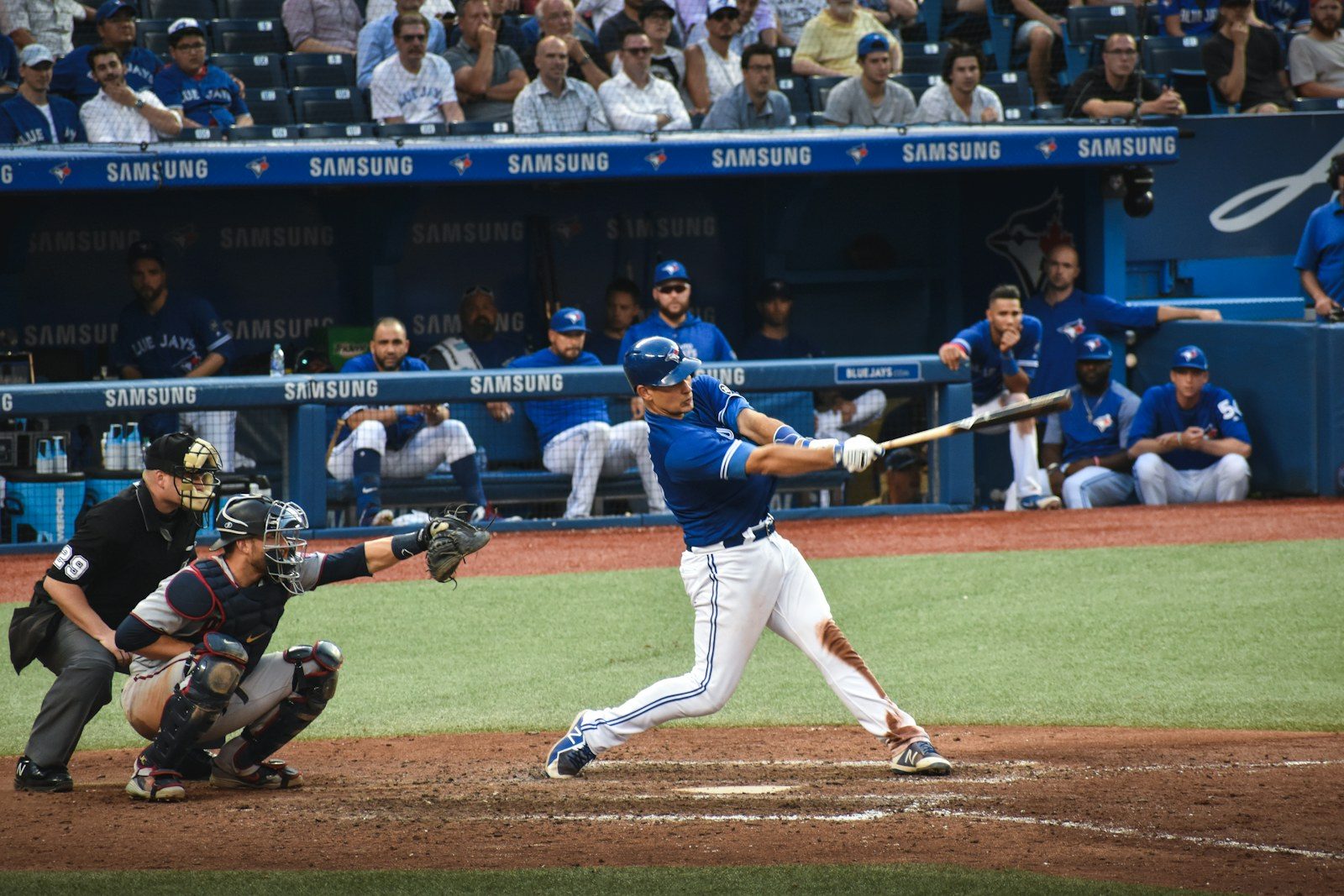
A catcher day off can change pitch calling, framing, running-game control and hitter lineup depth. For first-five bets, that matters because the market window is short and starter comfort can show up immediately.
Define the decision before the screen gets noisy
Use the catcher day-off checklist after lineups confirm. The decision is whether the starter and run environment still support the first-five angle you planned.
Some backup catchers improve defense but weaken the lineup. Others change target quality or pitcher tempo. The impact is not one-directional, so the checklist should be specific.
Build the checklist around failure points
Before keeping a first-five position live, compare the confirmed battery and lineup effects.
- Starter history with the backup catcher, if available.
- Framing, throwing and blocking difference from the regular catcher.
- Batting-order cost and whether a key lineup pocket weakened.
- Opponent stolen-base pressure and pitcher hold time.
- Whether the market already adjusted team totals or first-five lines.
- Live trigger if early command or target quality looks worse than expected.
This turns a lineup note into an execution decision instead of a vague downgrade.
Separate confirmation from comfort
Confirmation shows up early in target setup, called-strike quality, mound visits and running-game pressure. If the battery looks disorganized, reduce or avoid first-five exposure.
If the backup catcher strengthens defense and the price overreacts to offense loss, the matchup can still be playable. The checklist should keep both directions open.
Common mistakes to avoid
The common mistake is treating every catcher rest day as bad for the starter. Battery fit is more important than the label.
Another mistake is ignoring the batting-order effect. Losing a bat can hurt first-five team-total support even if run prevention improves.
A cleaner operating rule
The cleaner rule is to update the market window after the lineup card: battery risk, offensive cost and live trigger must all be clear.
If the catcher change creates uncertainty but not an edge, the correct execution choice is wait or no-bet.
How to record the decision
Write catcher day-off checklist into a small decision log before the session starts. The log should have one field for the trigger, one for the evidence that confirms the trigger, one for the evidence that cancels it, and one for the action you will take if the check fails. That keeps the framework practical instead of turning it into a long article you remember only after the risky decision has already happened.
The review should judge the process before it judges the outcome. A clean pass can miss a winner and still be correct. A sloppy entry can win and still be a warning. Record whether the checklist was complete, whether the missing information was known before entry, and whether the final action matched the rule you wrote down.
Over time, the notes should show which filters are doing real work. Keep the checks that stop repeated mistakes. Remove checks that never change the decision. Add one new check only when a real failure proves that the old checklist missed something important.
Use catcher day-off checklist as a written pass/fail line. If the check passes, the next step can be sized, timed and reviewed. If it fails, the correct outcome is not regret; it is a documented pass that keeps the process intact for the next clean setup.
Review the checklist after several uses, not after one dramatic result. A good framework should stop weak decisions without blocking every opportunity. If it blocks everything, tighten the trigger. If it blocks nothing, add the missing risk test.
A final useful habit is to mark the missing data explicitly. If the decision was skipped because a lineup, settlement term, route status, contract address or operator detail could not be verified in time, write that down. The next version of the checklist should make that missing item faster to find.
Continue this cluster
Continue this cluster with MLB execution checklists for live betting, lineup changes and no-bet discipline.