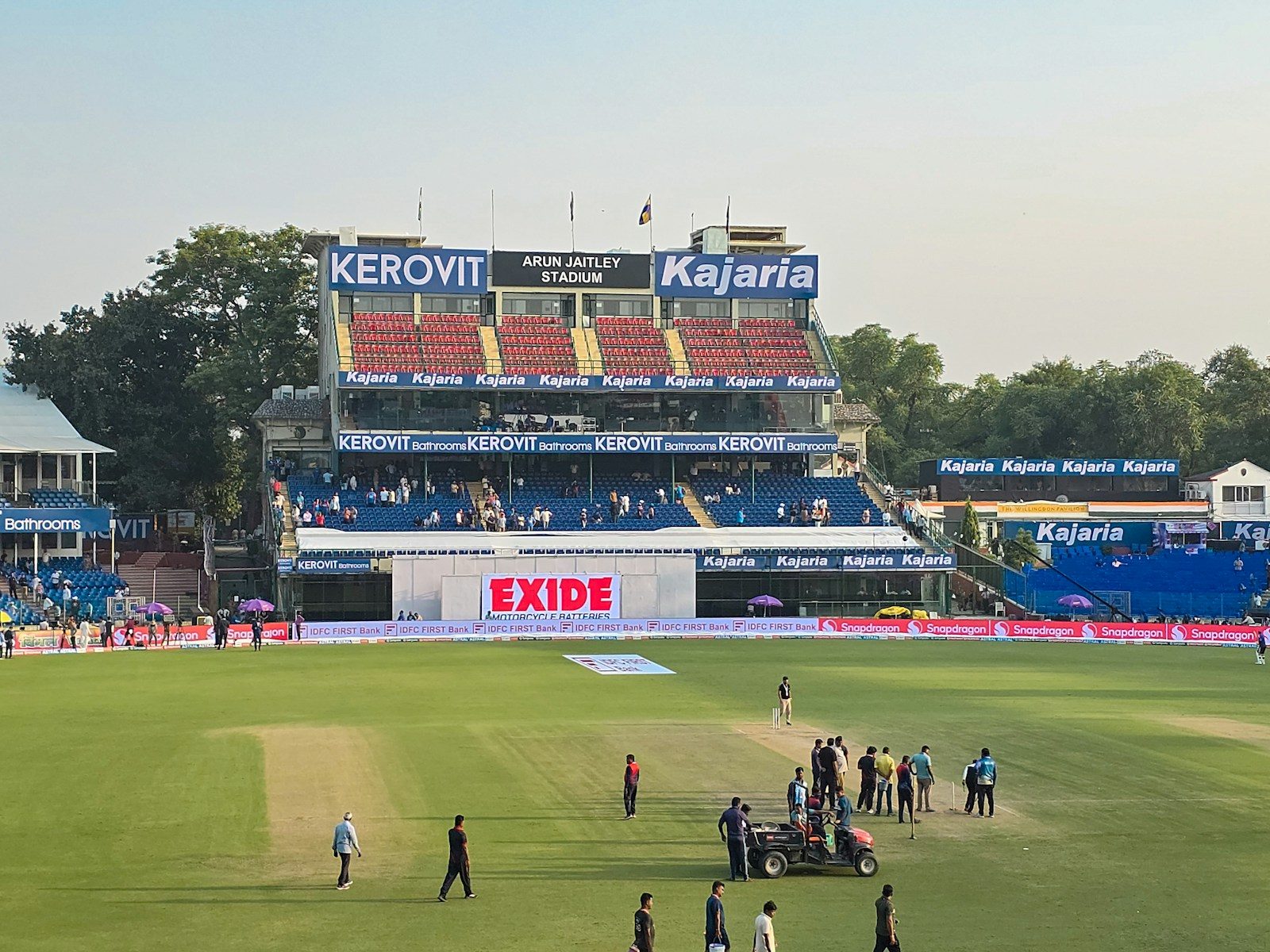
South African searches for an SA20 match prediction often bring together several uncertain questions: which XI will play, whether a captain chooses to bat or field, and how conditions may affect the innings. Treat those as separate inputs. A preview written before team confirmation should not be presented as if the playing side and tactical plan were already known.
Start with the source and timestamp
Use the official SA20 match and team channels for the fixture, venue and competition updates. The league’s Season 5 fixture announcement is one example of its direct competition information. For the individual game, record when the teams and toss are confirmed. A screenshot shared earlier in the week may refer to a provisional squad, not the XI taking the field.
Keep three labels in your notes: confirmed, probable and unknown. A player named in a squad is not necessarily in the final XI. A projected role based on past matches is an inference, not a team announcement. If a forecast depends on an unconfirmed overseas-player selection, keep the uncertainty visible in the final assessment.
Let the toss update the scenario, not decide it
The toss determines which side chooses to bat or field, but it does not settle the match. In T20 cricket, captains make that choice immediately after the toss. A preference may be shaped by the venue, lighting, dew, the surface and the team’s bowling resources. Do not use a simplistic rule such as “always chase” without checking conditions and team composition for this ground and match.
The ICC’s T20 playing conditions describe the toss process and innings structure. They also explain that interruptions can require a revised allocation of overs. A shortened match may change how valuable an extra batter, powerplay bowler or death specialist is. The current ICC playing-conditions library should be used for the applicable competition rules; confirm which regulations govern a particular SA20 fixture before applying an international T20 assumption.
Map the batting order into roles
For a T20 preview, list the likely opening pair, middle-order anchors, finishers and bowling all-rounders. Then note who can cover a role if the XI changes. A top-order batter can face more deliveries, but a difficult pitch or early wickets can alter that expectation. A finisher may have a high-impact role but see only a few balls. Do not compare players on average alone without considering batting position, expected overs faced and opponent bowling match-ups.
On the bowling side, identify the new-ball options, middle-overs spin and likely death-over assignments. A player’s nominal classification is not enough: role allocation can shift with left-right combinations, match-ups and the innings state. Use recent usage as context, not a promise of the same plan in the next match.
Separate the toss from pitch and weather evidence
Pitch reports and weather forecasts are noisy. Record the source and time, then distinguish observed conditions from commentary. If rain could shorten the game, a standard full-innings projection may no longer be suitable. Revised-target rules can affect which team has the advantage and which player markets remain available. Avoid applying a full-20-over run expectation to a match that may be reduced.
Keep a simple version history: pre-squad view, confirmed XI view, and post-toss view. When a projection changes, write which input changed. This makes it easier to tell whether your process reacted to concrete information or merely followed a price move.
SA20 pre-match checklist
- Verify the date, venue and start time on the official SA20 fixture page.
- Wait for each team’s confirmed playing XI and note any late replacement.
- Record the toss winner and whether the side chose to bat or field.
- Check batting-order depth and which bowlers are likely to cover the powerplay and final overs.
- Review credible weather and pitch information with its timestamp.
- Confirm the applicable playing conditions if the match is interrupted.
- Pass if the forecast depends on a role that has not been confirmed.
Do not convert a preview into certainty
A match note can be useful even when its conclusion is “not enough evidence yet”. T20 cricket has few overs, so a single over, misfield or rain delay can shift the result quickly. Avoid treating model output as a guaranteed call. Betting can lead to financial loss; use a limit you can afford, never chase a previous result and stop if it is no longer entertainment.
This article provides a match-analysis process, not a prediction or betting recommendation. For more lineup and scenario methods, visit the match analysis hub and explore the South African matchday articles.