Confirmed fixture: New Zealand host India at Eden Park
IND vs NZ 4th T20I 2026 is scheduled for Friday, 30 October at Eden Park in Auckland. New Zealand Cricket’s 2026–27 summer schedule lists the fourth T20I for 8 pm New Zealand time. That converts to 12:30 pm India Standard Time on the same date. The ICC match listing identifies Eden Park as the venue. Check the current match centre again before the game in case a schedule detail changes.
The date, ground and time are the confirmed starting facts for this preview. A venue listing does not confirm the playing XI, toss result, weather at the first ball or any late fitness update. Those are separate matchday questions, and this guide keeps them separate rather than filling the gaps with a probable team.
Why IST is the useful time for Indian viewers
International fixtures often appear with a home-country start time, while Indian search results use IST. The New Zealand Cricket schedule gives 8 pm local time for Auckland. On 30 October, New Zealand is 7 hours and 30 minutes ahead of India, so the listed start is 12:30 pm IST. This time-zone conversion helps avoid confusing a local evening start with an Indian afternoon start.
If you are arranging a live viewing or following the toss, use the time displayed by an official broadcaster or the ICC match centre as well as the series schedule. Search snippets sometimes surface a different time zone or another match in the five-match series. Verify that the result you open says “4th T20I” and “Eden Park”, not the first, second or third match.
Do not treat a probable XI as the final team
Previews published before toss time often list possible combinations. A possible XI is an editorial projection, not an official team sheet. Before assessing the batting order or bowling options, wait for the confirmed India and New Zealand line-ups on the ICC match page or the teams’ own channels. If a player is named in the squad but not in the XI, the role is different; if a player is a substitute, say so accurately.
Late injury reports should also be checked at source. A training image, a rumour or an old squad announcement does not establish availability for this fixture. Record the date and time of any team update you use, since squad information can change after an article is first written.
Eden Park context without a pitch prediction
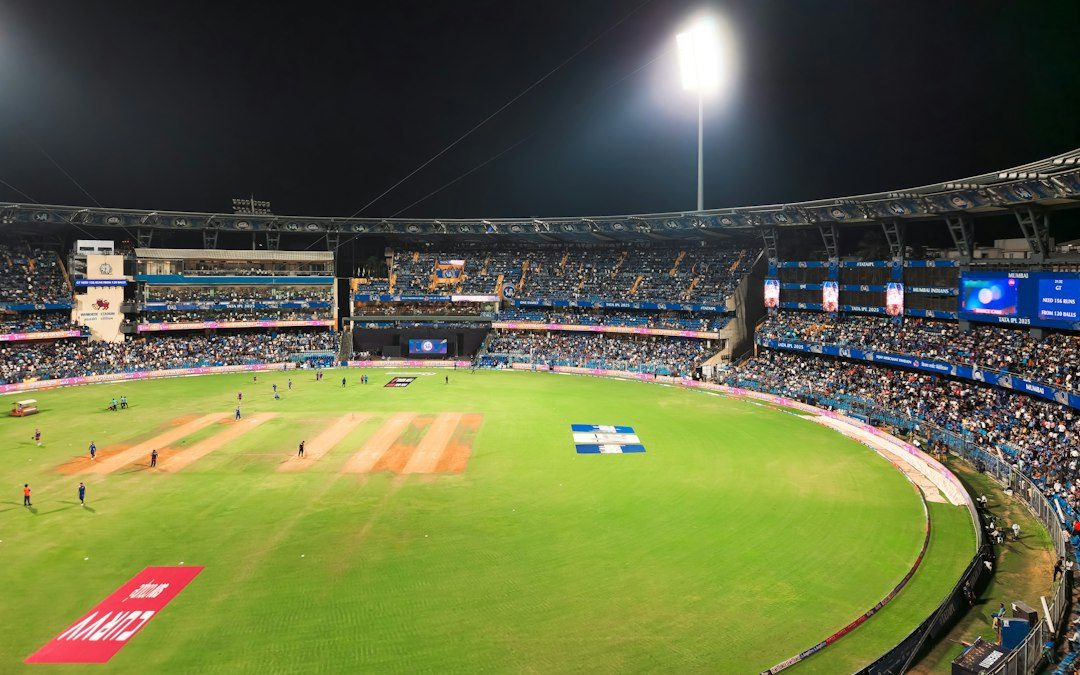
Eden Park is the listed Auckland venue for the fourth match. The ground setting can be useful context, but the name alone does not tell a reader how the surface will play on this particular day. Check the official toss report and any ground or weather update before describing conditions. Avoid carrying a pitch comment over from another match or season as if it were a fresh report.
For a T20 preview, the first overs and boundary options are part of the discussion, but they must be tied to what is actually available. A straight boundary measurement or historical average, if sourced, does not guarantee a high total. Pitch preparation, wind, the ball, batter selection and execution all affect how a game unfolds.
What to watch in the powerplay
The powerplay offers an early view of each side’s approach. Once the teams are confirmed, note whether the openers try to attack the first two overs, rotate strike against the new ball or take time to assess bounce and movement. On the bowling side, check field restrictions, the opening pair of bowlers and whether the captain changes plans after a boundary or wicket.
One over rarely proves a pattern. A quiet first over can be a deliberate start rather than a sign that the batting side is behind, while one expensive over does not settle the match. Compare the scoring choices with wickets in hand and the overs remaining. This gives the reader a more useful frame than calling every dot ball a turning point.
Middle overs: follow match-ups only after the players are known
Middle-over analysis depends on the actual batting and bowling combinations. Check which bowlers are used after the powerplay, whether a spinner or pace option has the match-up role, and how the batter responds to changes of line and pace. Without the confirmed XI, claims about a particular batter facing a particular bowler are speculative.
Field settings also show intent. A captain may protect a boundary, invite a single or change a fielder’s position after a new batter arrives. These are observable decisions, not evidence that a side has chosen a fixed strategy for the whole innings. When writing a live update, attribute what happened and avoid projecting one move onto the remaining overs.
The final overs need a separate reading
Death-over performance is shaped by wickets, batting order, available bowlers and the target or score. A T20 side defending a total has different decisions from one trying to build a finish. As the final overs approach, note who remains at the crease, which bowlers have overs left and whether the field is set for a yorker, slower ball or boundary protection.
Do not use one previous match’s last-over outcome as a prediction for this game. A replay can show a useful execution choice, but the new batter, bowler, pitch and required scoring rate change the problem. Describe the current equation and the options visible in the match rather than promising a particular finish.
A source-led matchday checklist
Before the toss, verify the fixture, local and Indian start times, venue and current squad update. At the toss, record the captain’s decision and the confirmed XI. During the innings, track wickets in hand, overs remaining, bowlers’ availability and how the scoring pattern changes across phases. If rain or a delay interrupts play, wait for the official revised-overs or restart information rather than estimating a new target from an old rule of thumb.
The ICC match centre and the team channels are the best starting points for live facts. A score app may refresh faster than a story page, but check its event label and time zone. If you quote a statistic, make clear whether it belongs to this match, the current series or a longer sample; those are not interchangeable.
Preview the fourth T20I without pretending to know its result
India and New Zealand meet at Eden Park on Friday 30 October, with the scheduled start at 12:30 pm IST. The match will offer new information once the toss, teams and first overs are known. Until then, readers can use a careful preview to prepare questions about team balance, powerplay plans and final-over resources without treating any one outcome as settled.
Follow the official ICC match listing for the event and see the match analysis hub for broader cricket explainers. Browse the BetSigy India English archive for more local match reads. Recheck official pages near the start because schedules and selection news can change.