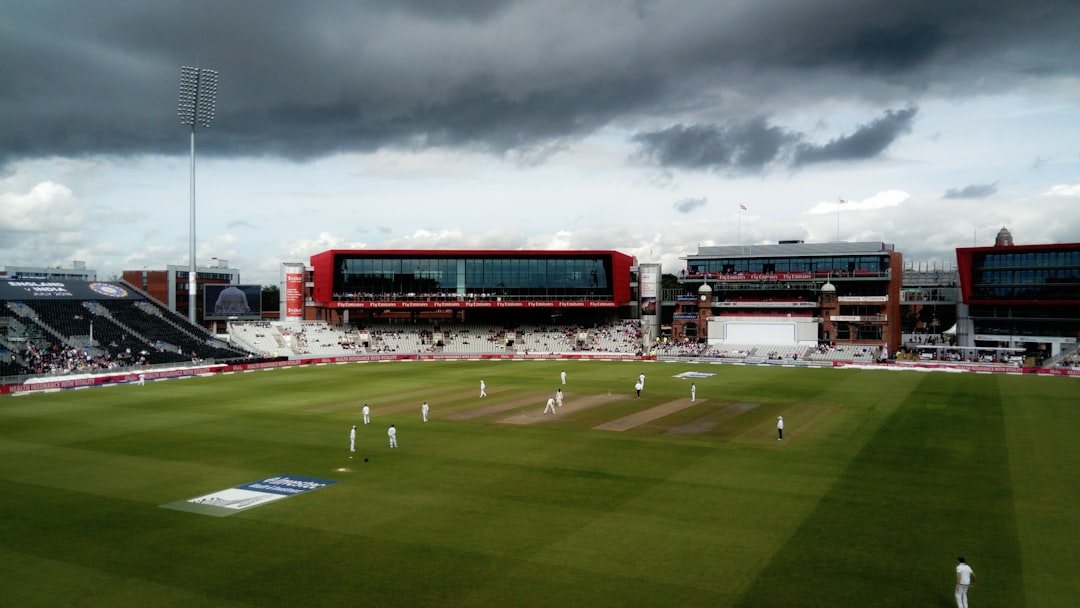
The India vs New Zealand 1st Test 2026 is scheduled at Wellington from 19 to 23 November, according to the BCCI match centre. New Zealand Cricket and the ICC also list Wellington as the opening Test venue in the 2026 home summer. That gives Indian fans a confirmed date and location to plan around, but a fixture listing is not a team announcement. Squads, playing XIs and conditions can change before the first ball, so separate confirmed information from early projections.
What is confirmed for the first Test
The series opens in Wellington on 19 November. BCCI labels the fixture New Zealand versus India and identifies it as the first Test; the ICC schedule places the match in Wellington from 19–23 November. The second Test is later in Christchurch, so it should not be confused with the opening fixture. Match start times should be checked closer to the date because a local start converts to a different time in India, and broadcast listings can be updated.
At the time of writing, the fixture schedule is the reliable planning anchor. It does not confirm a final India squad, New Zealand squad, captain, wicketkeeper, playing XI or injury status. Avoid treating a projected lineup on social media as official. When selectors publish a squad, verify it with BCCI or New Zealand Cricket; on match week, use the toss and team sheet for the final XI.
Why Wellington gives the preview a specific shape
Wellington’s Basin Reserve is the designated venue, but conditions need to be checked at the ground rather than assumed from the city’s reputation. Wind, cloud cover, pitch preparation and recent weather can influence a Test without guaranteeing a particular result. The match-day forecast and the official pitch report are more useful than a generic statement that New Zealand always offers swing. Conditions may also change between the morning and afternoon sessions.
For Indian batters, a sound first-hour plan is a better question than a sweeping claim about overseas weakness. Watch whether the new ball moves, how much carry the surface offers, and whether the batters leave deliveries outside off stump. The same observations matter for New Zealand’s top order against India’s seamers. A Test match can shift when a side preserves wickets through a difficult spell and scores more freely once the ball softens.
Selection questions to track
India’s balance will depend on the squad, the condition of available players and the surface. A team might weigh an extra seamer against a spin option, or choose batting depth if the pitch looks lively. Those are selection questions, not confirmed decisions. The touring schedule, player workload and any preceding limited-overs fixtures can also shape preparation, but speculation about fatigue should be checked against the actual roster and medical updates.
New Zealand’s final combination will likewise depend on the surface and the availability of its fast bowlers and specialist batters. Do not infer a XI from a previous series: conditions, form and selection can change. Follow official training reports and the matchday team sheet. Once the toss happens, note whether the captain’s decision fits the visible surface and forecast, then evaluate the choice against the likely five-day game rather than one session.
Matchups that matter more than a headline
The first new-ball spell is a useful early read. Track line and length, movement through the air and off the pitch, and how often batters play at balls they could leave. A few edges can reflect good bowling and a challenging spell, but a short sample does not settle the match. Later, watch whether the bowling side can maintain pressure with its second change and whether a partnership rotates strike instead of relying only on boundaries.
Batting depth and lower-order runs can be significant in a Test, but they are difficult to project before the sides are named. A tail that adds 60 runs can change a declaration or the size of a chase. Conversely, a quick collapse can put the opponent in control. Scorecards, session summaries and wagon-wheel impressions help explain what happened; none should be used alone to declare a repeatable edge.
Read the five-day match state
A Test preview should consider the draw as well as a win for either side. Weather interruptions, slow scoring, a strong first-innings total and a late declaration all affect the time available to force a result. Follow overs remaining, wickets in hand and the required run rate of a chase. A team can appear behind on runs but have time and wickets to recover; another may lead but lack enough overs to bowl the opposition out.
Use session boundaries to update the picture. Morning movement may fade, a new ball creates another short contest, and a lower-order stand can alter the declaration point. A single score at lunch does not predict the close. Reliable ball-by-ball coverage and the official scorecard make it easier to see whether the match is moving toward a result or losing time to weather and cautious batting.
Where Indian fans can verify updates
Start with BCCI’s match centre for fixture details and official Indian team news. New Zealand Cricket’s published summer schedule and ICC coverage provide a second check on the tour dates. For squads and playing XIs, look for a dated announcement from the boards. For live conditions, use the ground forecast and match coverage close to the start. If a search snippet conflicts with a new official update, follow the newer primary source and note when it was published.
The useful preview for this tour will become more specific as the squads, warm-up plans and match conditions are confirmed. Until then, the firm facts are the opening Test’s Wellington venue and 19–23 November dates. The rest is a framework: assess the new ball, batting decisions, selection balance and five-day time pressure with match evidence. This keeps an India vs New Zealand 1st Test 2026 preview informative without presenting guesses as team news.